

87 homeless children rehoused in Glasgow as tenants 'give up' larger homes
87 Homeless Children Rehoused in Glasgow: A Model for Social Housing Success
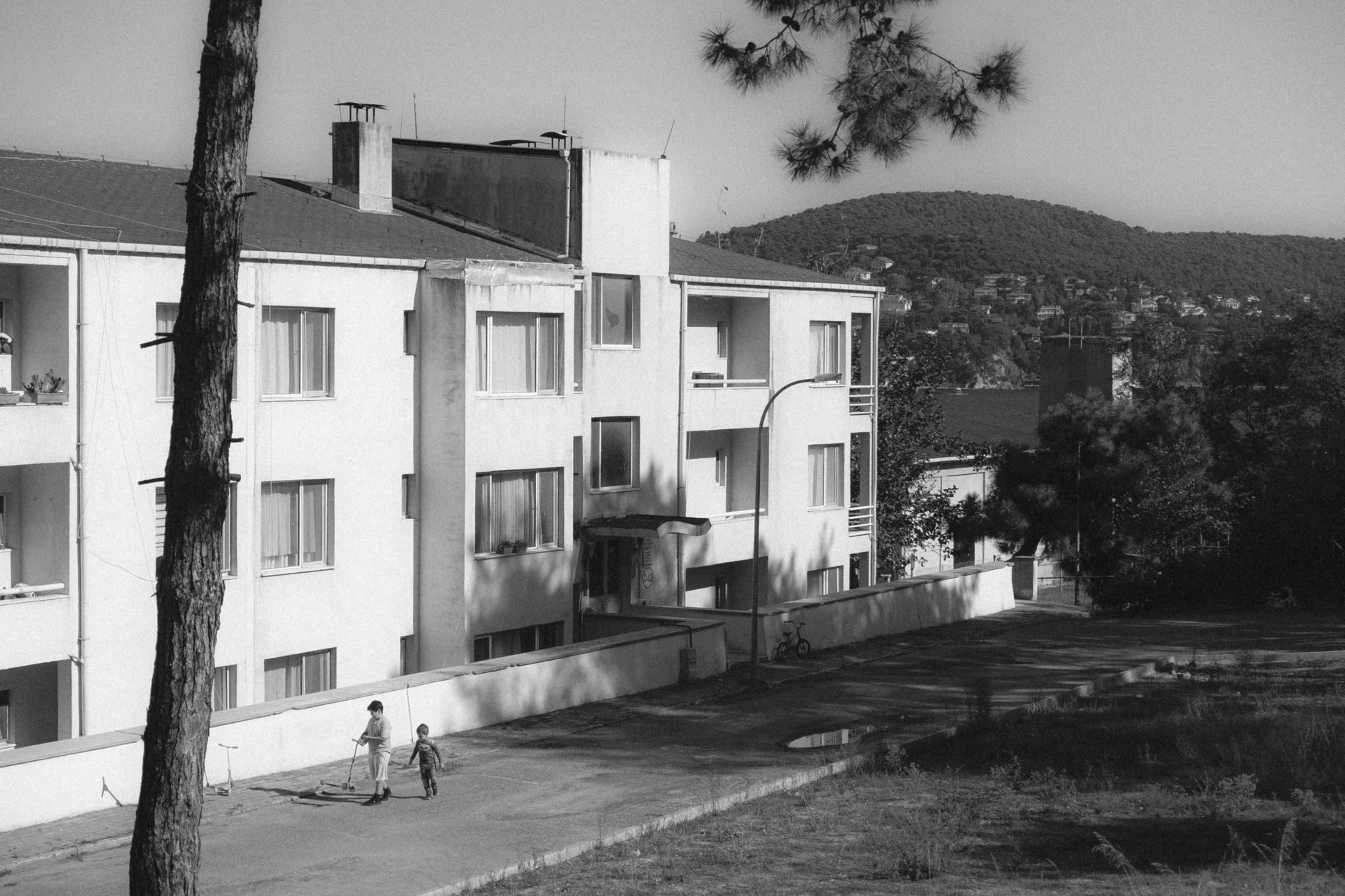
Imagine 87 children waking up this morning in safe, stable homes instead of temporary accommodation. This remarkable achievement in Glasgow demonstrates what's possible when housing professionals, tenants and local authorities work together strategically. As the city allocates 67% of social housing lets to homeless households, we examine the practical lessons for housing associations nationwide.
The Glasgow Breakthrough: How It Worked
Glasgow's success stems from a multi-pronged approach that housing professionals across the UK can learn from:
- Prioritisation strategy: 67% of available social housing lets allocated to homeless households
- Tenant engagement: Successful appeals to existing tenants to downsize from under-occupied properties
- Partnership working: Close collaboration between Registered Social Landlords, council housing teams and support services

Key Lessons for Housing Professionals
1. Strategic Allocation Works
The decision to allocate two-thirds of social housing to homeless applicants reflects the growing recognition of housing as a fundamental determinant of health. As outlined in the NHS England Homelessness Guide, stable housing dramatically improves health outcomes for vulnerable children.
2. The Power of Tenant Cooperation
Glasgow's approach succeeded because it:
- Respected existing tenants' rights while appealing to their community spirit
- Offered practical support for downsizing transitions
- Highlighted the direct impact on homeless children
This mirrors the tenant engagement strategies we've seen work in supported housing projects across the UK.
3. Data-Driven Decision Making
Effective allocation requires robust systems to:
- Identify under-occupied properties
- Match households to suitable properties
- Track outcomes for vulnerable families
Platforms like Social Home provide the digital infrastructure needed for this level of housing management.

Actionable Strategies for Your Organisation
Based on Glasgow's success, housing professionals can implement these practical steps:
- Review your allocation policy: Could you increase the percentage for homeless households while maintaining balance?
- Launch a respectful downsizing campaign: Frame it as an opportunity to help vulnerable children while potentially reducing bills and maintenance.
- Strengthen partnerships: Work closely with local care providers and health services to identify those most in need.
- Invest in technology: Use platforms that streamline allocations and tenancy management.
The Bigger Picture: Tackling Homelessness Nationally
While Glasgow's achievement is commendable, the latest government statistics show England alone had 104,510 homeless households in temporary accommodation in Q1 2023. Sustainable solutions require:
- Increased investment in affordable housing
- Better integration of housing and health services
- Innovative approaches like exempt accommodation models
Conclusion: A Blueprint for Success
Glasgow's rehousing of 87 homeless children proves that:
- Strategic allocation policies make a measurable difference
- Tenants will often cooperate when approached respectfully
- Partnership working delivers better outcomes
- Data and technology are essential for effective housing management
These lessons can be adapted by housing professionals across the UK to address their local homelessness challenges.
Ready to Transform Your Housing Management Approach?
Join the growing number of housing professionals using Social Home to streamline allocations, improve tenant engagement and deliver better outcomes for vulnerable households. Sign up today and be part of the solution to the UK's housing crisis.