

Bill ends social housing sell-off, but it's investors who must help Labour stop the slump
Social Housing Crisis: How Investors Can Help Reverse the Construction Slump
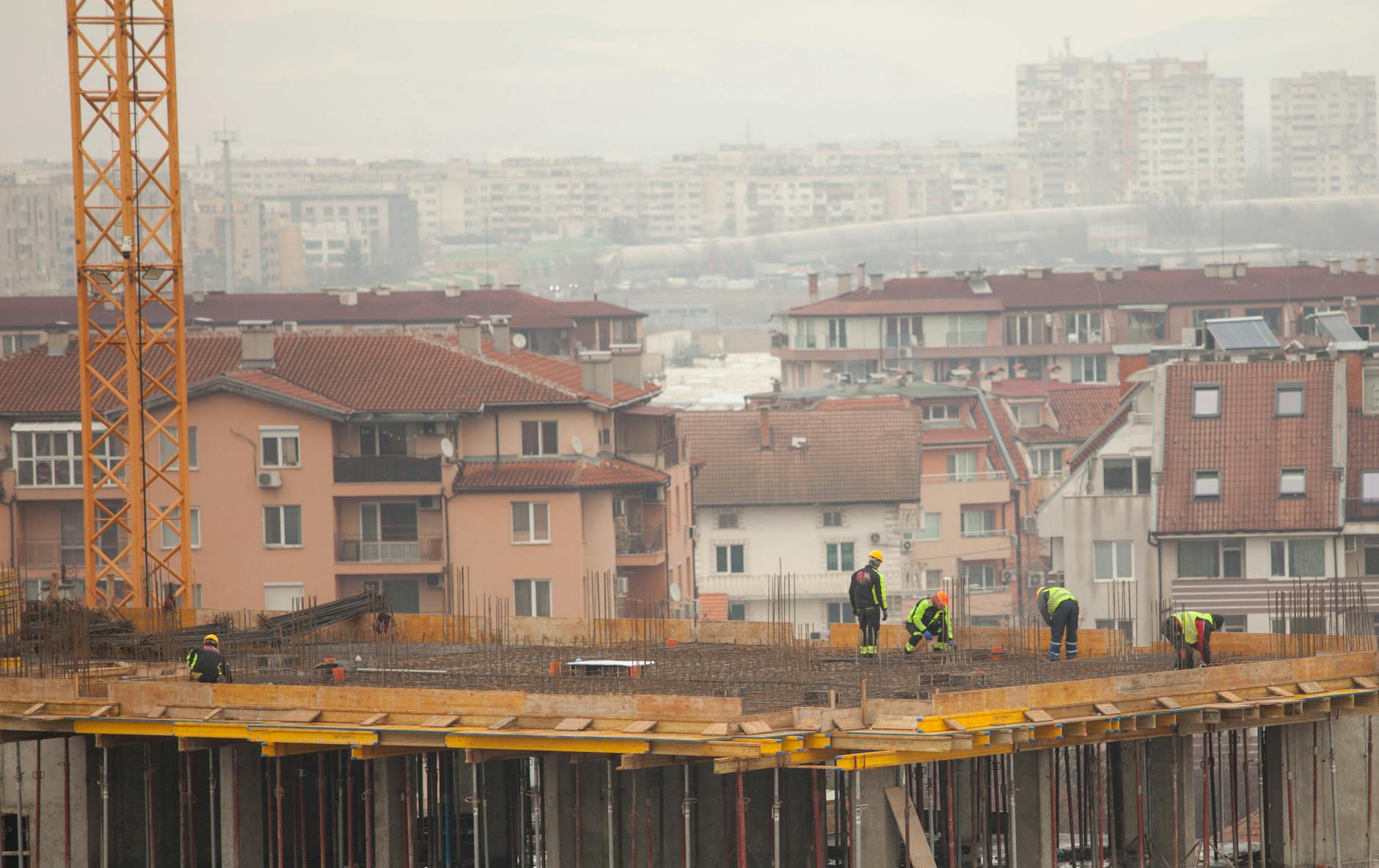
The latest ONS construction output data paints a worrying picture for UK social housing. With output falling at precisely the moment when demand is skyrocketing, housing professionals are facing what might be the sector's most challenging period in decades. The recent bill ending social housing sell-offs is a step forward, but as our analysis shows, private investors now hold the key to reversing this dangerous slump.
The Stark Reality of UK Housing Delivery
According to the Office for National Statistics, construction output fell by 1.3% in the last quarter, with housing associations particularly affected. This comes at a time when:
- Over 1.2 million households are on social housing waiting lists
- Council house building remains at historically low levels
- Supported housing demand has increased by 18% since 2020
For housing professionals, this creates an impossible balancing act between growing need and shrinking capacity. The solution? A new partnership model with private investors.

Why the End of Social Housing Sell-Offs Matters
The recent legislation ending Right to Buy-style sell-offs represents a crucial policy shift, but it's only part of the solution. While protecting existing stock is vital, we need to:
- Accelerate new builds through innovative funding models
- Leverage private investment without compromising social values
- Develop mixed-tenure projects that appeal to investors
Housing associations like those in our RSL directory are already pioneering these approaches, but wider adoption is needed.
The Investor Opportunity in Social Housing
Contrary to popular belief, social housing offers investors:
- Stable, long-term returns (typically 5-7% annually)
- Lower volatility than commercial property
- Strong ESG (Environmental, Social, Governance) credentials
The challenge lies in creating investment vehicles that meet both financial and social objectives. Our resources section contains several case studies of successful models.
Practical Steps for Housing Professionals

For councils and housing associations looking to attract investment:
- Package projects attractively - Highlight both social impact and financial viability
- Consider exempt accommodation models - Our guide to exempt accommodation explains the benefits
- Partner with specialist providers - Supported housing providers often have investor networks
- Utilise government incentives - The Affordable Homes Programme offers significant subsidies
The Road Ahead: Collaboration is Key
The end of social housing sell-offs creates stability, but solving the construction slump requires:
- Better data sharing between public and private sectors
- Standardised investment frameworks
- Clear pathways for NHS and social care housing integration
Platforms like Social Home are bridging these gaps by connecting housing providers with investors and service providers in one ecosystem.
Key Takeaways
As we analyse the latest construction data, three truths emerge:
- The end of sell-offs protects stock but doesn't solve the supply crisis
- Private investment must fill the £15bn annual funding gap
- Innovative partnerships can deliver both social value and investor returns
The question isn't whether investors should be involved, but how we can structure these partnerships most effectively.
Ready to Transform Your Housing Strategy?
Join hundreds of housing professionals already using Social Home to connect with investors, manage properties, and access vital resources. Sign up today and be part of the solution to the UK's housing crisis.
Explore Social Home Plans