
Crack down on dangerous rented homes as new £7k fines kick in
New £7k Fines for Dangerous Rented Homes: What Housing Professionals Need to Know

Imagine this: A tenant complains about severe damp, a broken boiler in winter, or exposed wiring – hazards that could endanger lives. From 22 June 2026, landlords who ignore these risks face fines of up to £7,000 per offence. This major policy shift gives councils powerful new tools to protect vulnerable tenants. But what does it mean for housing associations, social landlords and frontline workers?
The New Enforcement Powers: Key Details
Under the updated Housing Health and Safety Rating System (HHSRS), local authorities can now issue civil penalties of up to £7,000 when they identify Category 1 hazards (the most serious risks) in private rented properties.
This represents a significant escalation from previous enforcement options, which typically involved:
- Improvement notices (giving landlords time to fix issues)
- Prosecution (lengthy and resource-intensive)
- Banning orders (for the most serious offenders)
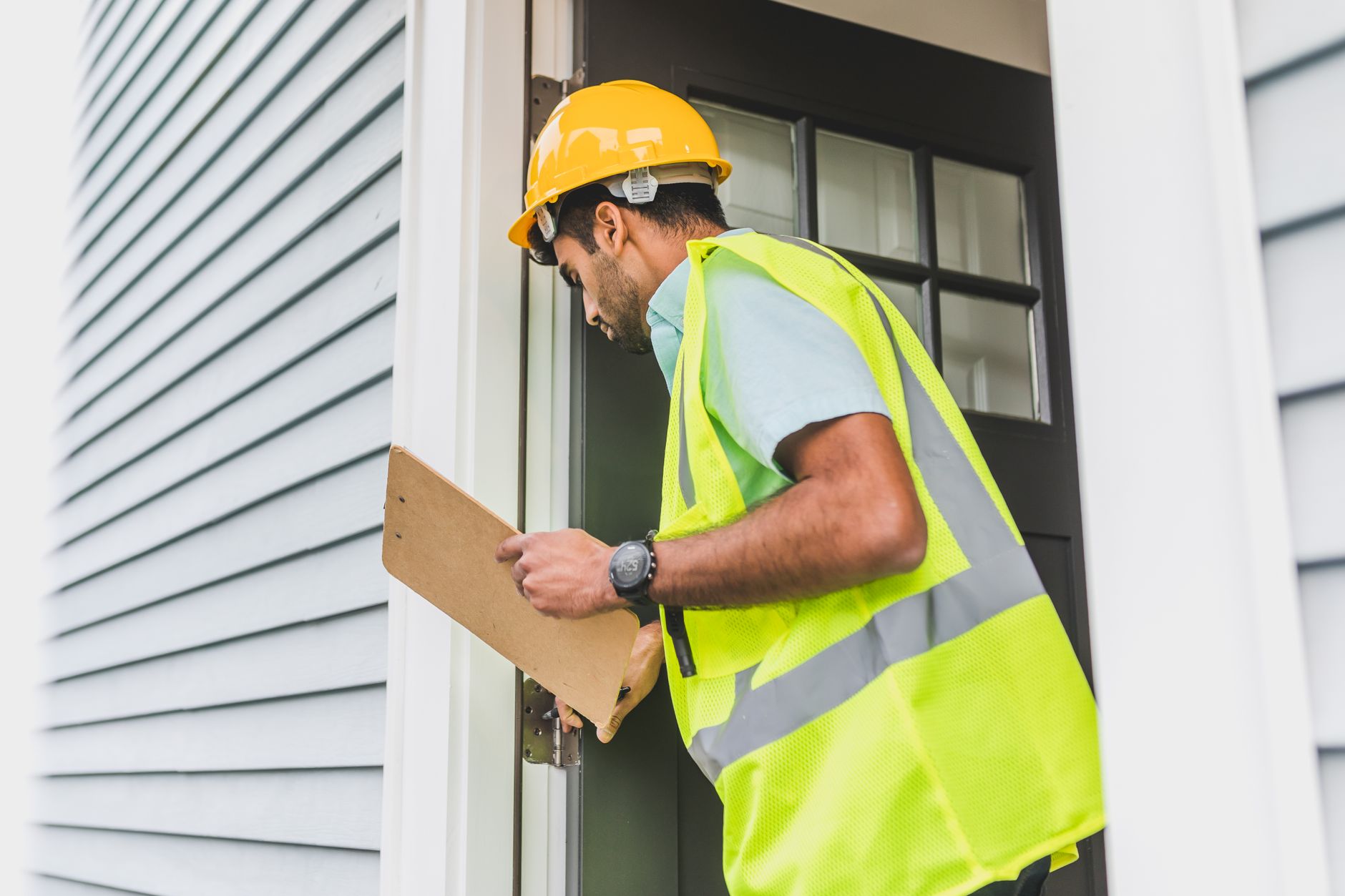
Which Hazards Trigger the New Fines?
The 29 hazards covered by HHSRS include:
- Damp and mould growth (linked to respiratory problems)
- Excess cold (inadequate heating)
- Electrical hazards (faulty wiring)
- Fire risks (missing smoke alarms, blocked exits)
- Structural collapse (dangerous disrepair)
For housing professionals, this creates both challenges and opportunities. Our Resources hub contains detailed guidance on identifying these hazards.
Implications for Social Housing Providers
While these fines primarily target private landlords, they have important ripple effects:
1. Increased Tenant Expectations
Tenants are becoming more aware of their rights. Housing associations should proactively review their property safety standards to maintain trust.
2. Pressure on Council Enforcement Teams
With limited resources, councils may prioritise private sector enforcement. Social landlords should ensure their properties meet standards without needing enforcement action.
3. Opportunities for Partnership
This policy creates new openings for collaboration between councils and housing associations. Our RSL Directory helps facilitate these connections.

Actionable Advice for Housing Professionals
For Housing Associations:
- Conduct preemptive HHSRS-style assessments of your stock
- Train staff to identify Category 1 hazards early
- Consider voluntary licensing schemes to demonstrate compliance
For Council Officers:
- Develop clear policies for applying the new fines consistently
- Prioritise properties with vulnerable tenants (elderly, disabled, families with children)
- Use fines as part of a graduated response, not just punishment
For NHS and Support Workers:
- Be alert to health conditions that may stem from poor housing
- Know how to refer tenants to supported housing services when needed
- Collaborate with housing teams through integrated care approaches
The Bigger Picture: Housing Quality and Public Health
This policy isn't just about punishment - it's part of a growing recognition that housing quality directly impacts public health. The NHS England Social Prescribing initiative already links poor housing to health inequalities.
Key statistics:
- Damp homes increase childhood asthma risk by 40% (UK Government research)
- Cold homes contribute to 10,000+ excess winter deaths annually
- Poor housing costs the NHS an estimated £1.4bn per year
Conclusion: Turning Policy into Practice
The new £7k fines represent a powerful tool, but their success depends on:
- Consistent enforcement by councils
- Proactive compliance by responsible landlords
- Collaboration across housing, health and social care sectors
For housing professionals, this is both a challenge and an opportunity to drive real improvements in housing quality and tenant wellbeing.
Ready to Elevate Your Housing Management?
At Social Home, we provide the tools and connections housing professionals need to navigate these changes successfully. From compliance tracking to cross-sector collaboration, our platform helps you:
- Maintain property standards effortlessly
- Connect with essential service providers
- Access up-to-date resources and guidance
Join Social Home today and be part of the solution for safer, healthier rented housing.