

Curry, bagels … and AI? Londoners fight plan for huge datacentre in Brick Lane
Datacentres vs Social Housing: The Hidden Impact on London's Housing Crisis

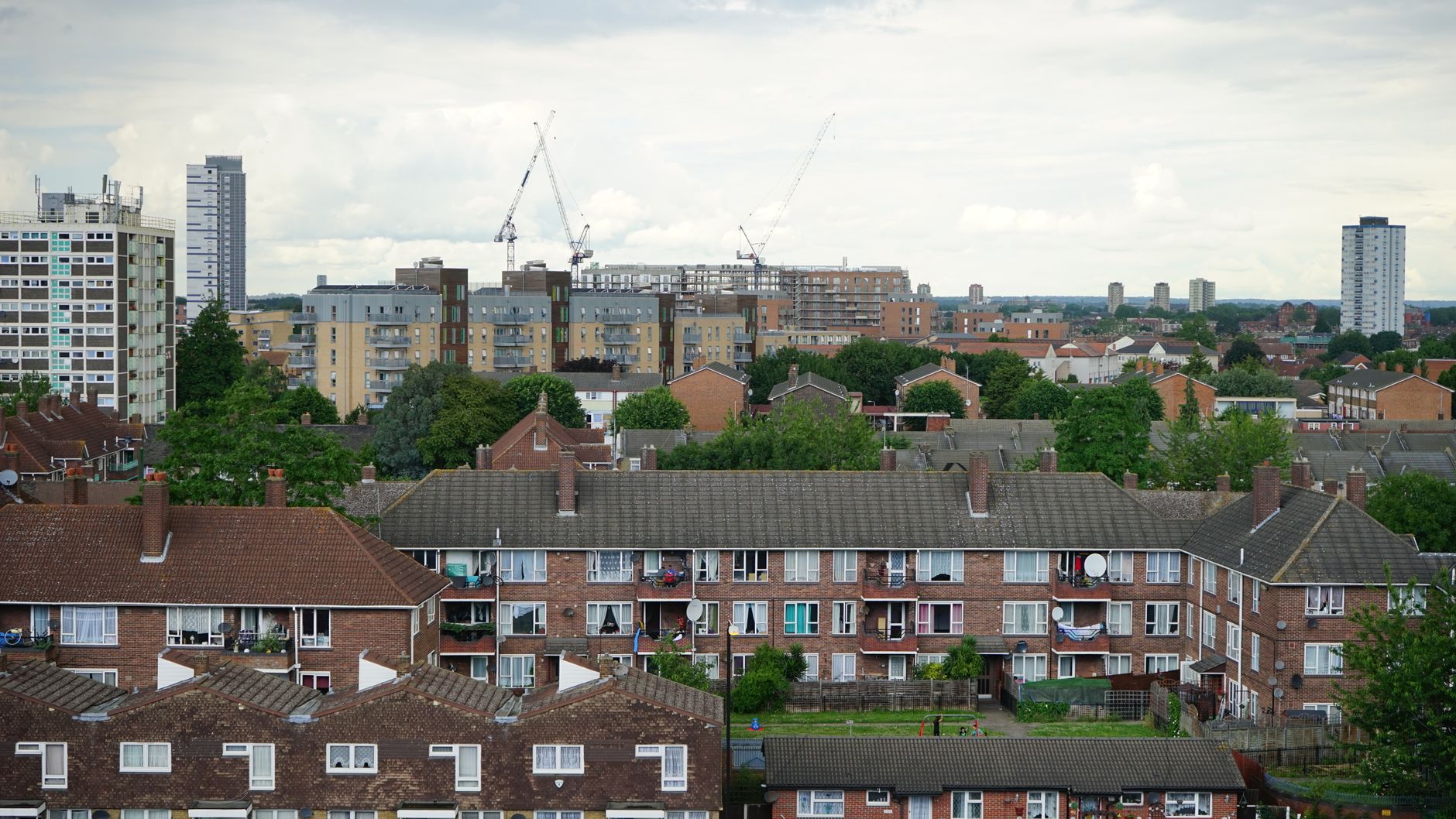

Brick Lane - famous for its curry houses, bagel shops and vibrant multicultural history - is now at the centre of a heated debate that exposes the growing tension between technological progress and social housing needs. As Tower Hamlets Council considers plans for a massive new datacentre, housing professionals are sounding the alarm about its potential to worsen London's already critical housing shortage.
The Brick Lane Controversy: More Than Just a Planning Dispute
Councillor Ahmed, a cabinet member for housing, recently made a stark observation: "We have 31,000 people on our waiting list for social housing and this new datacentre will do nothing to help those families." This statement cuts to the heart of a growing challenge facing urban areas across the UK - how to balance economic development with urgent housing needs.
The proposed datacentre in this historic East London neighbourhood represents more than just another planning application. It's become a flashpoint in the ongoing debate about:
- Land use priorities in high-demand urban areas
- The impact of tech infrastructure on housing affordability
- Community displacement risks in regeneration areas
Why Datacentres Matter to Housing Professionals
At first glance, datacentres might seem unrelated to social housing. But housing associations and council officers should pay close attention to this trend for several reasons:
1. Land Use Competition in High-Demand Areas
The Brick Lane proposal highlights how valuable urban land is increasingly being allocated to tech infrastructure rather than housing. With homelessness figures rising across England, every potential housing site matters.
2. Energy Consumption and Housing Affordability
Datacentres consume enormous amounts of electricity - currently about 6% of the UK's total supply. This drives up energy costs for everyone, disproportionately affecting low-income households in social housing. Our resources section offers guidance on helping tenants manage energy costs.
3. Indirect Impact on Local Housing Markets
As Councillor Ahmed warned, large commercial developments can:
- Increase surrounding property values
- Accelerate gentrification
- Price out long-term residents
Housing associations can find strategies to combat displacement in our RSL directory.
Practical Strategies for Housing Professionals
While we can't stop technological progress, housing providers can take proactive steps to protect social housing interests:
1. Strengthen Local Planning Engagement
Housing associations should:
- Monitor local planning applications closely
- Submit formal responses to relevant consultations
- Build alliances with community groups
The Local Government Association offers excellent guidance on effective engagement.
2. Advocate for Section 106 Agreements
Large developments like datacentres should contribute to local infrastructure. Housing professionals can push for:
- Affordable housing contributions
- Community benefit funds
- Local employment guarantees
3. Explore Alternative Site Uses
Before commercial developers claim sites, housing providers should:
- Identify potential housing sites early
- Work with councils on supported housing solutions
- Consider innovative models like modular housing
The Bigger Picture: Technology vs Housing Needs
The Brick Lane situation reflects a national challenge. As the UK pursues its digital transformation, we must ask:
- Should prime urban land house servers or people?
- How can we balance economic growth with social need?
- What role should housing providers play in these decisions?
For NHS staff working with vulnerable populations, these questions have real consequences. Patients struggling with housing insecurity need solutions, not more competition for limited housing stock. Our care homes directory can help find suitable accommodation.
Key Takeaways for Housing Professionals
- Commercial developments impact housing markets in unexpected ways
- Early engagement in planning processes is crucial
- Alternative housing solutions must be part of the conversation
- Cross-sector collaboration delivers better outcomes
For more insights into managing housing challenges, explore our housing blog.
Take Action Today
The Brick Lane datacentre debate reminds us that housing professionals need to be at the table when important land use decisions are made. By staying informed and engaged, we can ensure that social housing needs aren't overlooked in the rush toward digital transformation.
Ready to strengthen your housing service? Join hundreds of housing professionals who use Social Home to manage properties, connect with service providers, and access vital resources. Sign up today and be part of the solution to the UK's housing crisis.