

Does the law set a minimum bedroom size in England?
Minimum Bedroom Size in England: What Housing Professionals Need to Know
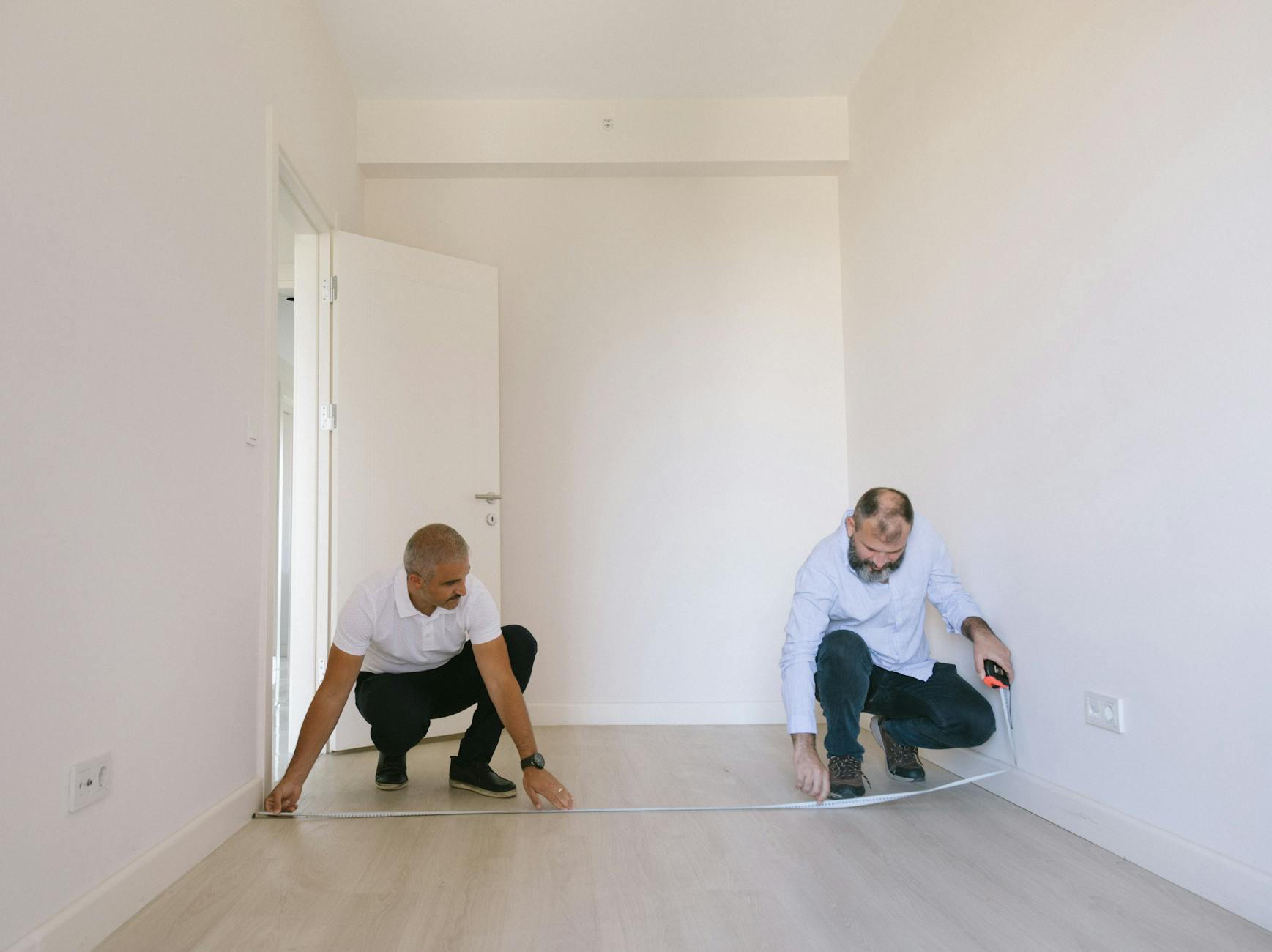
Did you know that a shocking 1 in 5 rented properties in England fail to meet basic space standards? For housing professionals managing social housing, supported accommodation, or care homes, understanding bedroom size regulations isn't just about compliance - it's about dignity, wellbeing, and creating homes that truly support residents.
In this comprehensive guide, we'll break down the legal requirements, practical implications, and best practices for bedroom sizes in England's social housing sector.
The Legal Landscape: Is There a Minimum Bedroom Size?
Contrary to popular belief, England currently has no nationwide statutory minimum bedroom size for residential properties. However, several important regulations and standards influence space requirements in social housing:
1. The Housing Act 1985 (Space Standards)
While not setting specific bedroom dimensions, the Housing Act establishes that homes must be "fit for human habitation". Overcrowding provisions in the Act indirectly influence bedroom sizes through minimum space requirements per person.

2. Nationally Described Space Standard (NDSS)
Introduced in 2015, the NDSS provides detailed guidance on minimum space standards for new homes. Key bedroom size recommendations include:
- Single bedroom: 7.5m² minimum (with 70cm clear access route)
- Double bedroom: 11.5m² minimum
- Additional requirements for storage and circulation space
While technically voluntary, many local authorities now incorporate the NDSS into their planning policies for new developments. Housing associations should check their local authority's Local Plan requirements when planning new builds.
Practical Implications for Housing Providers
For Existing Stock
Older properties may not meet modern space standards. Housing professionals should:
- Conduct regular property assessments to identify cramped conditions
- Prioritise refurbishments where space falls significantly below NDSS guidelines
- Consider innovative space-saving solutions in constrained properties
For New Developments
When planning new social housing or supported housing projects:
- Design to exceed minimum standards where possible
- Incorporate flexible spaces that can adapt to changing needs
- Ensure compliance with both NDSS and any local authority variations
Special Considerations for Vulnerable Residents
Space requirements take on added importance for:
- Disabled residents: Additional space may be needed for equipment and carers
- Families with children: Consider play and study spaces
- Mental health accommodation: Adequate personal space supports recovery
For care home providers, the Care Quality Commission (CQC) expects sufficient space to maintain dignity and meet care needs, though specific dimensions aren't prescribed.

Key Takeaways for Housing Professionals
- While no national minimum exists, the NDSS provides best practice guidance
- Local authorities may enforce space standards through planning conditions
- Overcrowding regulations under the Housing Act remain enforceable
- Vulnerable residents often require additional space considerations
- Good space planning improves quality of life and reduces turnover
Staying Compliant and Improving Standards
To ensure your properties meet both legal requirements and resident needs:
- Regularly review the latest NDSS guidance
- Use our housing resources to stay updated on regulatory changes
- Consider joining our RSL directory to share best practices
Ready to Transform Your Housing Management?
Understanding bedroom sizes is just one piece of the social housing puzzle. At Social Home, we provide the tools and resources housing professionals need to deliver exceptional, compliant housing services.
Join hundreds of housing providers who trust Social Home to:
- Streamline property management with our intuitive platform
- Access up-to-date regulatory guidance and resources
- Connect with other professionals facing similar challenges
Sign up today and take the first step towards better housing management. Let's work together to create homes that truly meet residents' needs.