

Domestic abusers will face eviction from social housing under proposed new law

Caption: Social housing providers may soon have stronger powers to evict domestic abusers under proposed legislation
Introduction: A Landmark Shift in Social Housing Policy
Imagine a survivor of domestic abuse finally feeling safe in their own home, knowing their abuser can no longer terrorise them from the same housing estate. This could soon be reality under groundbreaking legislation currently progressing through Parliament.
The proposed law marks a seismic shift in social housing policy, empowering landlords to evict perpetrators of domestic abuse while protecting victims. For housing professionals, this presents both opportunities and challenges in balancing tenant rights with community safety.
What the New Law Proposes
Key Provisions of the Legislation
The draft legislation introduces several critical measures:
- Expedited eviction proceedings for tenants convicted of domestic abuse offences
- Removal of 'joint tenancy' barriers that previously protected perpetrators
- Statutory guidance for housing providers on implementing the policy
- Protections for victims to prevent retaliatory homelessness

Caption: Housing professionals will need training on implementing the new domestic abuse policies
As highlighted in the Government's Domestic Abuse Bill factsheet, these changes aim to break cycles of abuse by removing perpetrators from social housing communities.
Implications for Housing Professionals
1. Eviction Procedures
Housing associations and local authorities will need to:
- Review tenancy agreements to incorporate new grounds for eviction
- Train staff on identifying domestic abuse cases
- Establish partnerships with local support services
2. Victim Support Obligations
The law emphasises protecting victims from homelessness. Housing providers should:
- Develop clear rehousing protocols for survivors
- Implement safeguarding measures during transitions
- Coordinate with specialist accommodation providers
3. Evidence Gathering
Successful evictions will require:
- Police reports and conviction records
- Housing officer incident logs
- Support from organisations like Women's Aid
Practical Implementation Challenges
Balancing Rights and Responsibilities
Housing providers must navigate:
⚠️ Legal complexities around proving abuse allegations
⚠️ Data protection considerations when sharing information
⚠️ Resource implications of increased casework
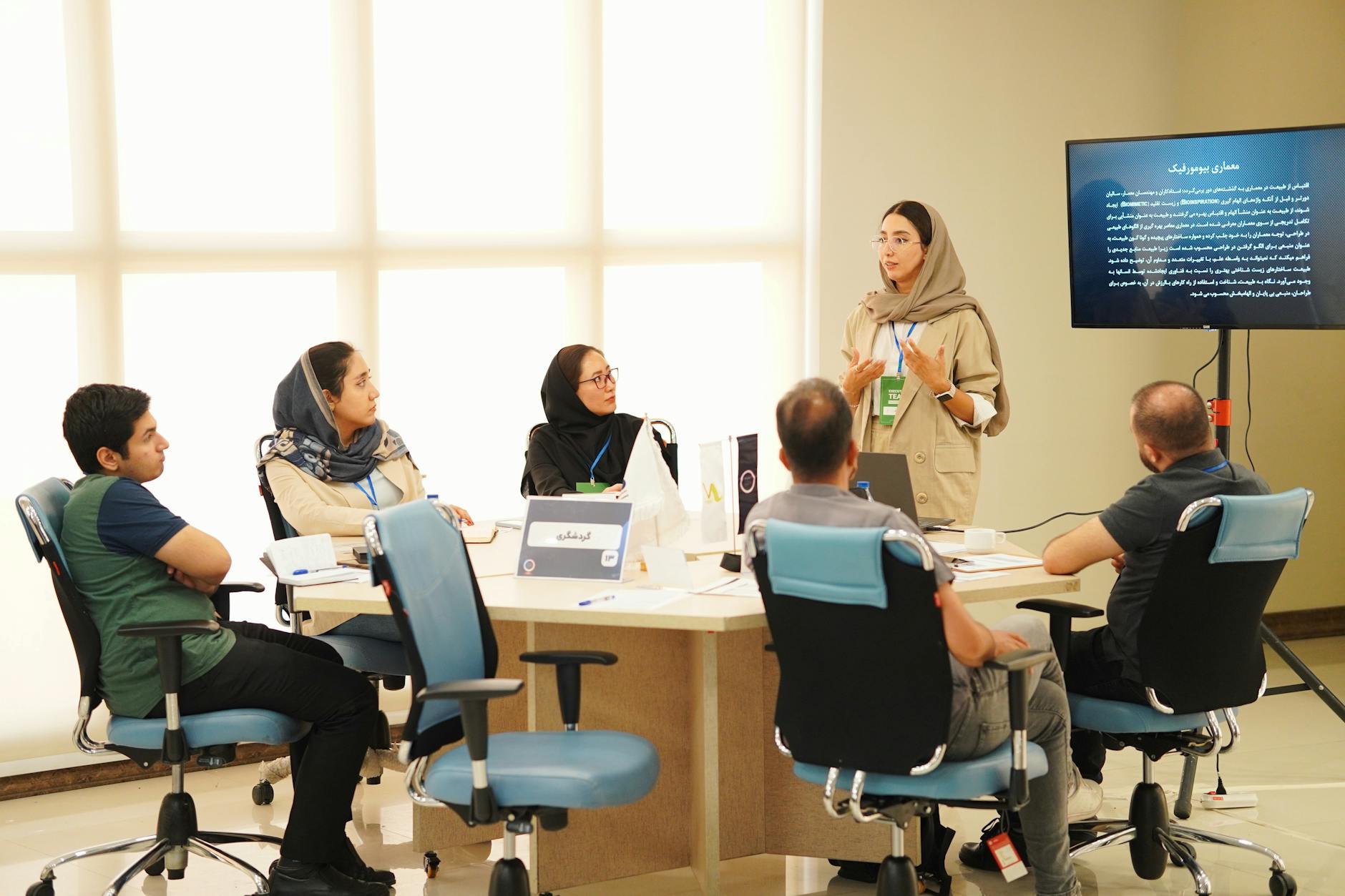
Caption: Frontline staff will need specialised training to implement the new policies effectively
The Home Office guidance recommends developing multi-agency protocols involving police, social services and specialist charities.
How Social Home Can Support Implementation
Our platform offers housing professionals:
✅ Customisable tenancy templates incorporating the new legislation
✅ Training resources on domestic abuse identification
✅ Secure case management systems for evidence gathering
✅ Partnership networks through our RSL Directory
Key Takeaways for Housing Providers
- Start preparing now – Review policies and train staff ahead of the law's implementation
- Build partnerships – Collaborate with local domestic abuse services and police
- Protect victims – Ensure robust safeguarding measures are in place
- Document thoroughly – Maintain clear records to support eviction cases
Conclusion: A Transformative Opportunity
This legislation represents a watershed moment in making social housing safer for abuse survivors. While implementation challenges exist, the potential benefits for community safety are profound.
By acting proactively, housing professionals can position their organisations as leaders in tackling domestic abuse within communities.
Ready to transform your approach to domestic abuse cases in social housing? Sign up for Social Home today and access the tools, training and support networks you need to implement these changes effectively.
Caption: Social Home provides the resources housing professionals need to create safer communities
For more insights on housing policy changes, visit our housing professionals blog or explore our exempt accommodation resources.
Disclaimer: This article provides general information only. For specific legal advice, consult your organisation's solicitors or the MHCLG.