

Gen Z and millennials have it far worse than my generation. Here's why
The Broken Social Contract: Why Gen Z and Millennials Face Tougher Housing Challenges

Imagine working full-time yet still being priced out of renting a one-bedroom flat. Picture needing to stay with parents into your 30s because saving for a deposit would take 30 years. This isn't dystopian fiction - it's the daily reality for millions of young Britons today. As housing professionals, we're seeing first-hand how the social contract between generations has fractured, with gen Z and millennials facing unprecedented housing challenges that make their parents' struggles pale in comparison.
The Housing Crisis Through a Generational Lens
Guardian columnist Polly Toynbee recently made waves by declaring: "I know whose side I'm on and it's not my own generation's." After nearly 50 years observing social trends, she argues today's young adults face systemic disadvantages that make home ownership increasingly mythical. The numbers support her claim:
- Over 40% of 25-year-olds now live with parents (BBC research)
- Average house prices have risen 173% since 1997 while wages increased just 19% (ONS data)
- The private rented sector has doubled since 2000, with under-35s most affected
Why This Matters for Housing Professionals
For those working in RSLs and supported housing, these trends create urgent challenges:

- Intergenerational households increase pressure on social housing stock
- Rental affordability gaps push more working families into housing need
- Mental health impacts of insecure housing create NHS pressures
Four Key Factors Behind the Generational Divide
1. The End of Affordable Home Ownership
Where baby boomers could buy homes on average wages, today's young need 12x their salary for an average home. Conservative estimates suggest millennials will be 40 before they can buy - if ever.
2. The Precarious Rental Market
With private rents eating 40-60% of incomes in many areas, saving becomes impossible. No-fault evictions add constant instability.
3. Stagnant Wages vs Soaring Costs
While housing costs ballooned, wages flatlined. The minimum wage buys half the housing it did in 2000.
4. Eroded Social Housing Stock
Right-to-buy depleted social housing without adequate replacement. Waiting lists now exceed 1.2 million households nationally.
What Housing Providers Can Do Now
While structural solutions require policy change, housing professionals aren't powerless:
- Prioritise intergenerational fairness in allocation policies
- Expand shared ownership and other intermediate options
- Partner with employers on housing affordability schemes
- Advocate for policy changes with bodies like the DLUHC
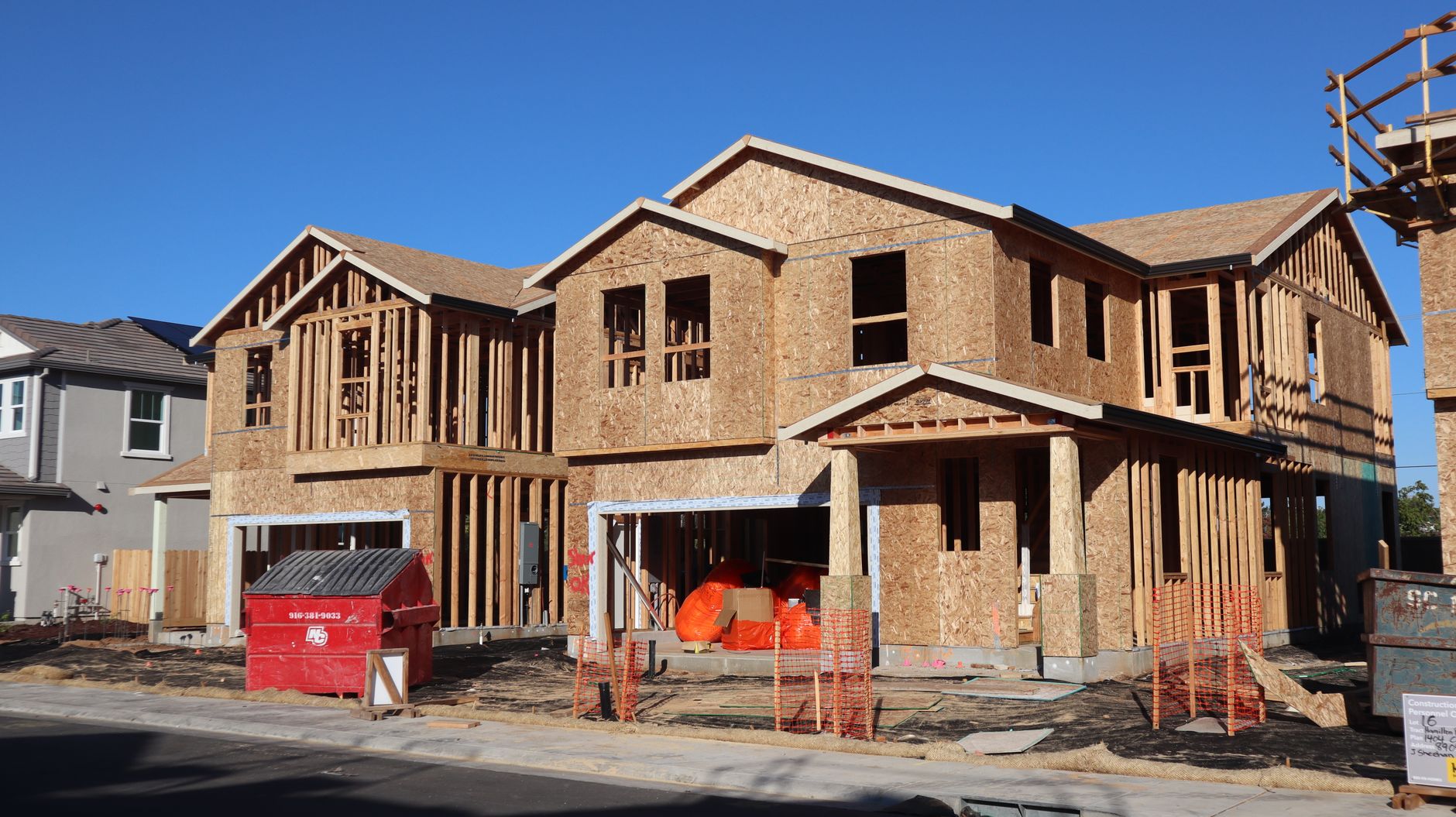
Platforms like Social Home are helping by connecting housing providers with innovative solutions and resources to address these challenges at scale.
Conclusion: Time for Intergenerational Solidarity
The data is clear - today's young face housing challenges unlike any previous generation. As Toynbee notes, older generations owe them both an apology and action. For housing professionals, this means:
- Acknowledging the unique pressures younger renters face
- Developing targeted support and housing products
- Using our collective voice to push for systemic change
Ready to Make a Difference in Housing Equity?
Join forward-thinking housing providers using Social Home to create innovative solutions. Whether you're an RSL, council team or care provider, our platform helps you deliver housing that works for all generations.
Explore Social Home solutions today and be part of rebuilding the social contract.