

Gloucestershire mother sent back to ‘severe danger’ with child
"No room at the inn" - a phrase that takes on tragic new meaning when a domestic abuse survivor and her child are turned away by the very system designed to protect them. This recent case in South Gloucestershire exposes critical gaps in our housing safety net that every housing professional needs to understand.
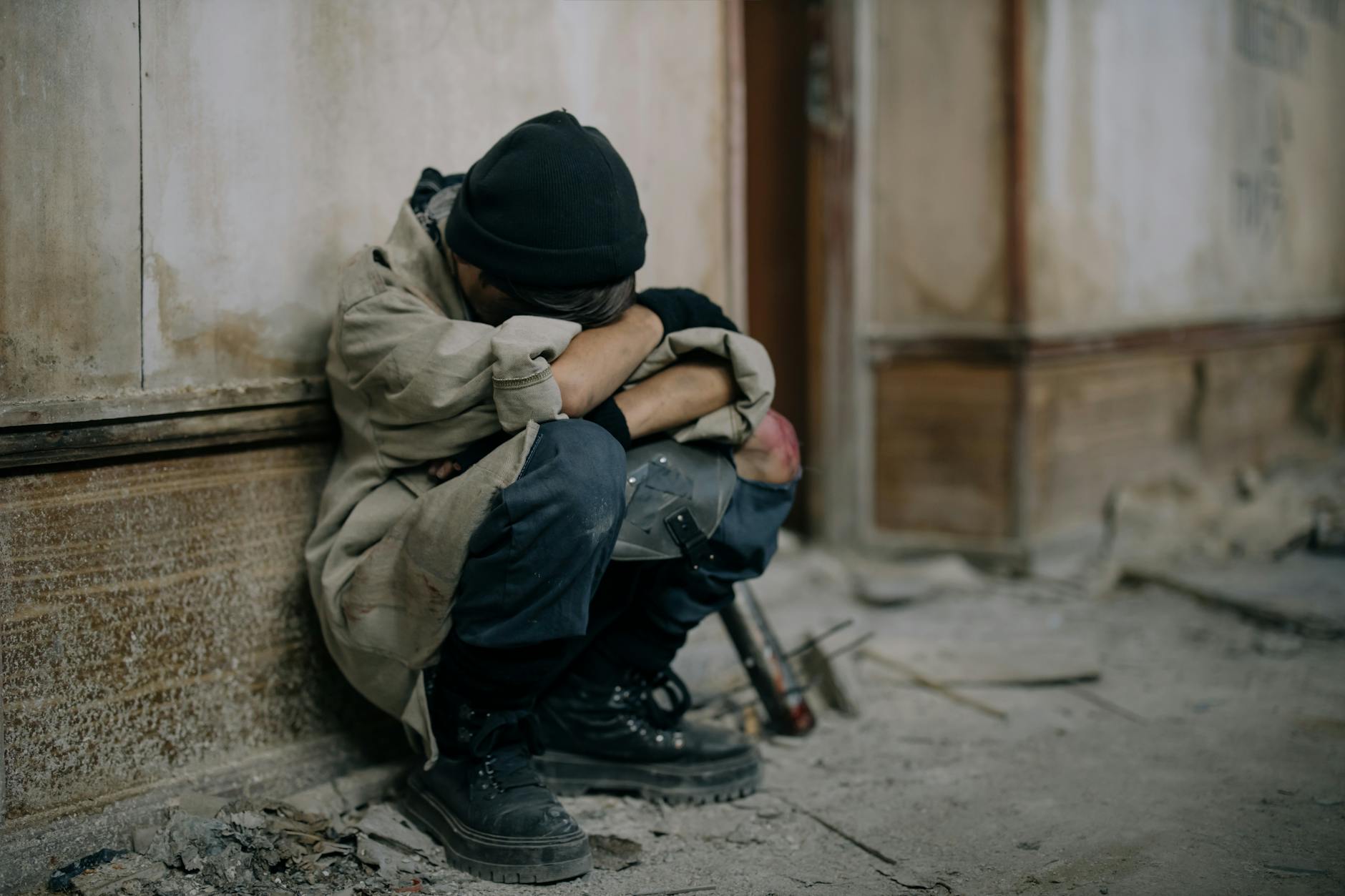
The Shocking Case: A Mother Left in "Severe Danger"
South Gloucestershire Council recently refused accommodation to a homeless domestic abuse survivor and her child, leaving them in what campaigners describe as "severe danger". This isn't just one council's failing - it's symptomatic of wider systemic issues affecting social housing provision across the UK.
Key facts of the case:
- The mother had fled domestic violence with her child
- The council deemed them "not vulnerable enough" for emergency housing
- Local charities intervened to provide temporary shelter
- Legal challenges are ongoing
Why This Matters for Housing Professionals
As housing providers, we have both a moral and legal duty to protect vulnerable individuals. The Homelessness Code of Guidance for Local Authorities clearly states that survivors of domestic abuse should be considered in priority need for housing.
Yet as this case shows, implementation often falls short. Why?
- Resource pressures: Councils face unprecedented demand for social housing
- Definition challenges: Varying interpretations of "vulnerability"
- Capacity issues: Overstretched housing teams making quick decisions

The Legal Framework: What You Need to Know
Under the Housing Act 1996 (as amended by the Homelessness Reduction Act 2017), local authorities must:
- Assess all homeless applications
- Provide interim accommodation if priority need is suspected
- Develop personalised housing plans
For domestic abuse cases specifically:
- The Domestic Abuse Act 2021 strengthened protections
- Survivors automatically qualify as vulnerable under homelessness legislation
- Councils must refer to specialist services like Refuge
Yet as the Gloucestershire case shows, theory and practice don't always align.
Practical Solutions for Housing Providers
How can we prevent similar cases in our communities?
1. Improve Staff Training
Ensure all frontline staff:
- Recognise the signs of domestic abuse
- Understand the legal framework
- Know local referral pathways
Our Resources section offers training materials for housing teams.
2. Strengthen Partnerships
Collaborate with:
- Domestic abuse charities
- NHS mental health services
- Children's services
The Service Providers directory can help identify local partners.
3. Review Allocation Policies
- Are your vulnerability assessments trauma-informed?
- Do you have clear escalation procedures?
- Are temporary solutions available while assessments occur?
The Human Cost of Getting It Wrong
Behind every case like this are real people. The mother in this story described feeling "abandoned by the system meant to protect us". Her child missed weeks of school during their housing crisis.
This isn't just about legal compliance - it's about our fundamental duty of care. When we fail vulnerable families, the consequences can be devastating:
- Return to abusive situations
- Mental health crises
- Child protection concerns
- Increased burden on NHS services
How Social Home Can Help
At Social Home, we're building tools to prevent cases like this:
- Digital referral system - seamless connections between councils and support services
- Real-time bed availability - see openings across supported housing providers
- Case management tools - track vulnerable applicants through the system
Our pricing plans make these solutions accessible to organisations of all sizes.
Key Takeaways for Housing Professionals
- Domestic abuse survivors are automatically in priority need for housing
- Interim accommodation should be provided while assessments occur
- Partnership working is essential for effective support
- Digital solutions can help prevent vulnerable people falling through gaps
Call to Action: Be Part of the Solution
Cases like this remind us why we do this work. At Social Home, we're committed to creating a housing system that protects the most vulnerable.
Ready to transform your approach to vulnerable housing cases? Sign up for Social Home today and access the tools, training and partnerships you need to make a real difference in your community.
Together, we can ensure no survivor is ever told there's "no room at the inn" again.