
Guidance: Building for a Healthy Life
Building for a Healthy Life: A Design Toolkit for Thriving Communities
Imagine neighbourhoods where every street, home, and public space is designed to promote health, wellbeing, and community cohesion. Sounds idealistic? It doesn’t have to be. The Building for a Healthy Life design toolkit offers a practical blueprint for creating environments that enhance quality of life for residents. Whether you’re a social housing professional, council worker, or NHS staff member, this guide is your key to transforming communities into healthier, happier spaces. Let’s explore how you can apply these principles to your projects.
Why Design Matters in Social Housing
Design isn’t just about aesthetics; it’s about functionality, accessibility, and wellbeing. Poorly designed neighbourhoods can exacerbate health inequalities, while thoughtful design can foster physical activity, mental health, and social connections. For housing associations and councils, this means prioritising design that aligns with the needs of residents, particularly those in vulnerable circumstances.
For example, incorporating green spaces into housing developments has been shown to improve mental health and encourage physical activity. Similarly, accessible public transport links and pedestrian-friendly streets can reduce social isolation. These principles are at the heart of the Building for a Healthy Life toolkit, which provides actionable advice for creating environments that support holistic wellbeing.
Key Principles of the Toolkit
The toolkit is built around four core principles:
- Creating Walkable Neighbourhoods: Designing streets that encourage walking and cycling, with safe crossings and well-lit pathways.
- Promoting Social Interaction: Incorporating communal spaces like parks, playgrounds, and community centres.
- Ensuring Accessibility: Making homes and public spaces accessible for people of all ages and abilities.
- Supporting Mental and Physical Health: Integrating nature, reducing noise pollution, and ensuring access to essential services.

Practical Steps for Implementing the Toolkit
So, how can you apply these principles to your housing projects? Here are some actionable insights:
1. Prioritise Green Spaces
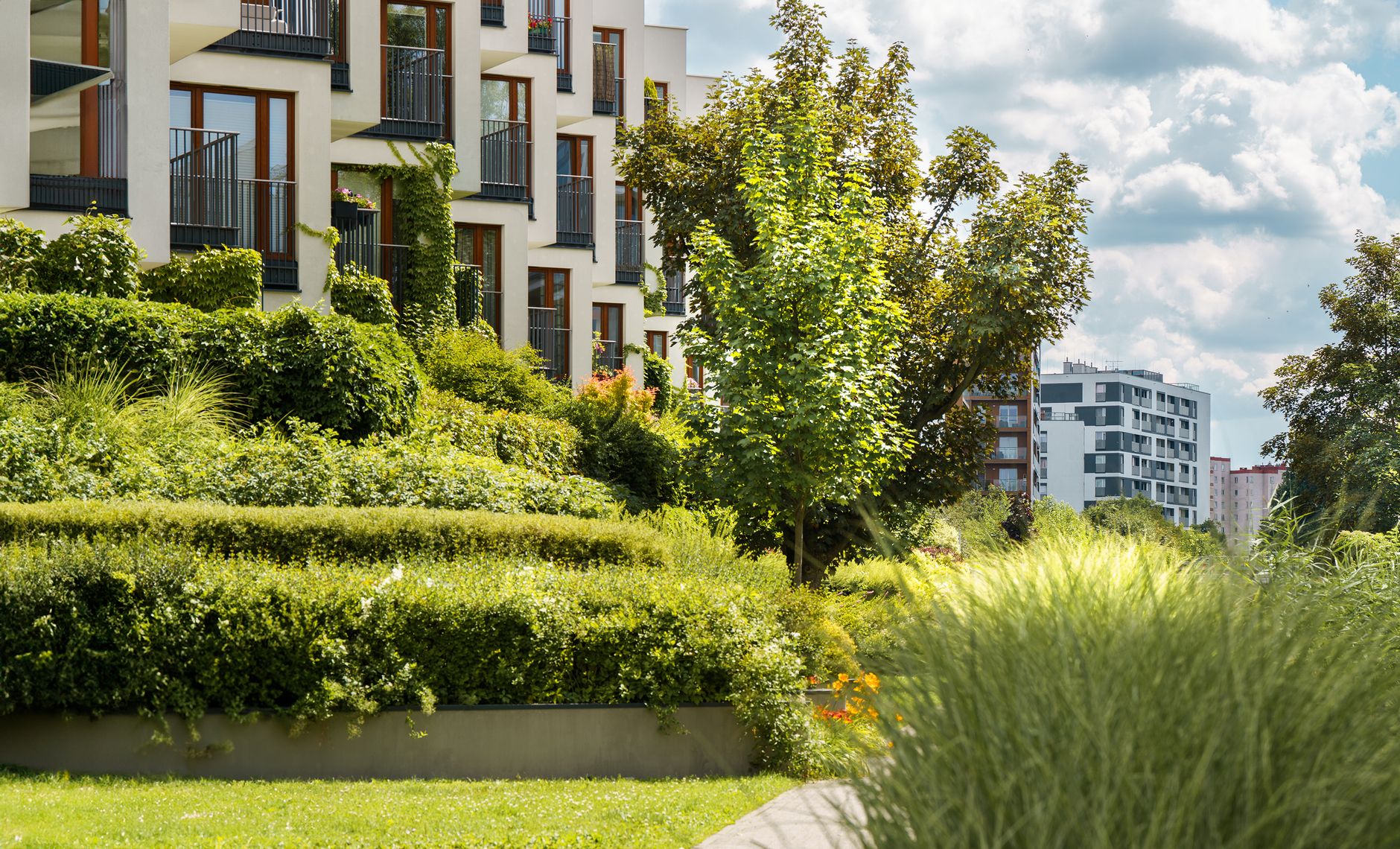
Green spaces are essential for mental and physical health. Incorporate parks, gardens, and tree-lined streets into your developments. Not only do these spaces provide recreational opportunities, but they also improve air quality and reduce urban heat. For inspiration, explore the Green Infrastructure Framework by the UK government.
2. Design for Accessibility
Ensure that homes and public spaces are accessible for everyone, including older adults and people with disabilities. This includes step-free access, wide doorways, and accessible public transport links. The supported housing section of Social Home offers valuable resources for creating inclusive environments.
3. Foster Community Engagement
Engage residents in the design process to ensure their needs are met. This could involve hosting community workshops or surveys. When residents feel heard, they’re more likely to take pride in their neighbourhood. For more tips on community engagement, check out the resources section on Social Home.
4. Integrate Health Services
Collaborate with NHS services to integrate healthcare facilities into your developments. This could include GP surgeries, pharmacies, or mental health support centres. By co-locating health services with housing, you can improve access to care and reduce health disparities.
Case Studies: Success Stories
Several housing associations and councils have successfully implemented the Building for a Healthy Life principles. For example, the National Housing Federation highlights a project in Manchester where green spaces and community centres were integrated into a new development, resulting in improved resident satisfaction and health outcomes.
Conclusion: Building Healthier Futures
The Building for a Healthy Life toolkit is more than just a guide; it’s a vision for the future of social housing. By prioritising design that promotes health, inclusivity, and community, you can create neighbourhoods that truly thrive. Whether you’re planning a new development or retrofitting an existing one, these principles offer a roadmap for success.
Ready to take the next step? Explore how Social Home can support your housing projects. From finding properties to connecting with service providers, we’re here to help you build healthier communities.
Call-to-Action
Ready to transform your housing management? Sign up for Social Home today and experience the future of social housing management. Together, we can build communities that promote health, happiness, and wellbeing for all.