

HMO landlords rank first for energy efficiency
HMO Landowners Lead the Way in Energy Efficiency: What Social Housing Can Learn
In the ever-evolving landscape of social housing, energy efficiency has become a cornerstone of sustainable living. Recent data reveals that Houses in Multiple Occupation (HMOs) are setting a remarkable benchmark, with over 60% achieving an Energy Performance Certificate (EPC) rating of A to C. This statistic is not just a number—it’s a testament to the proactive measures HMO landlords are taking to reduce energy consumption and carbon footprints. For social housing professionals, housing associations, and council workers, this presents a golden opportunity to learn, adapt, and implement best practices in their own properties.
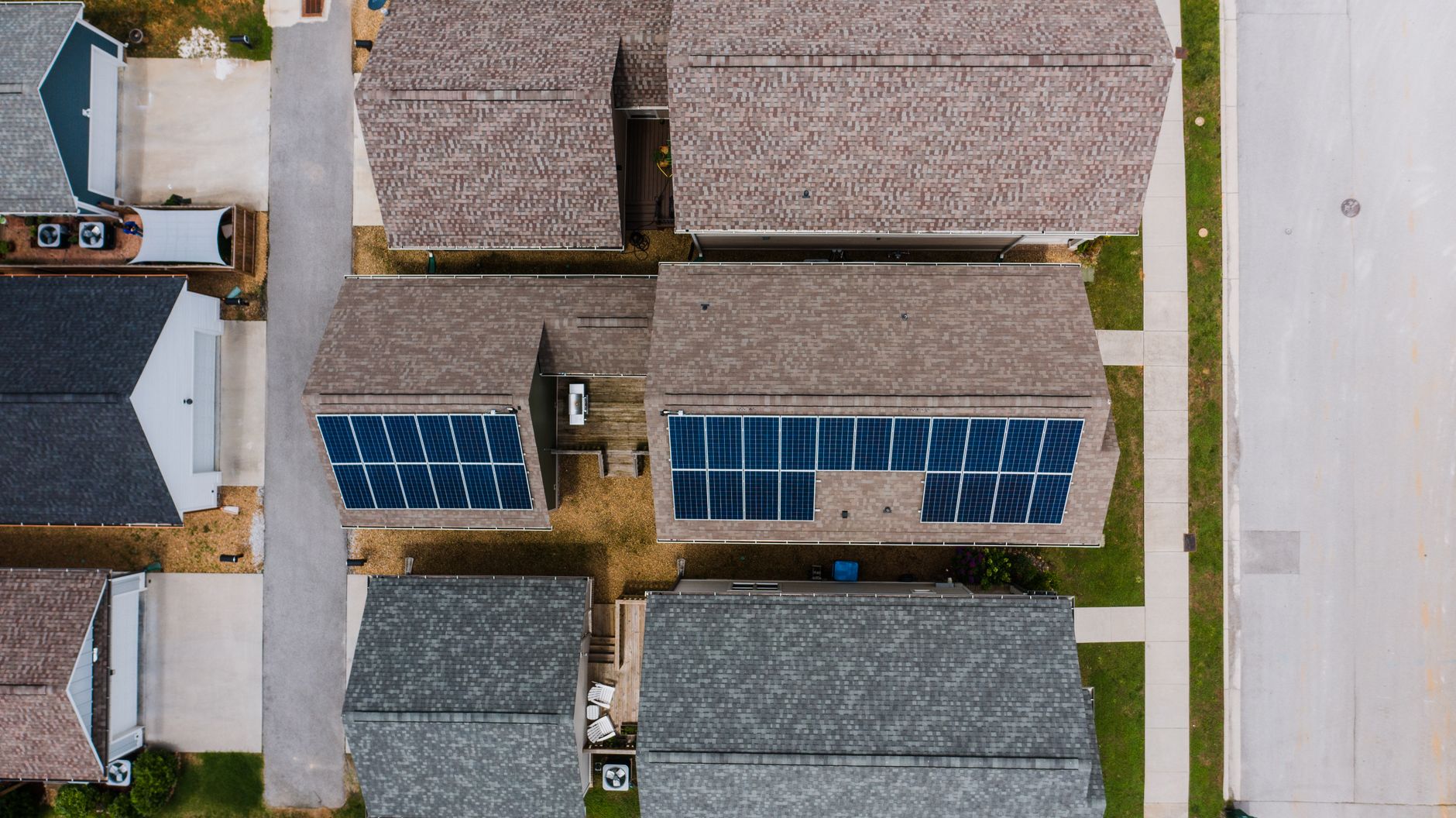
Why HMOs Are Outperforming Traditional Housing
HMOs are often associated with shared living spaces, but their energy efficiency achievements are turning heads. So, what’s driving this success? Here are some key factors:
- Upgraded Insulation: Many HMO landlords invest in high-quality insulation to reduce heat loss, ensuring tenants stay warm without excessive energy use.
- Energy-Efficient Appliances: From boilers to lighting, HMOs often feature modern, energy-saving appliances that lower utility bills and environmental impact.
- Smart Metering: The use of smart meters allows landlords to monitor and manage energy consumption more effectively, encouraging tenants to adopt greener habits.
These strategies aren’t just beneficial for landlords—they also enhance tenant satisfaction, reduce costs, and contribute to broader sustainability goals. For social housing professionals, these practices offer actionable insights that can be adapted to larger housing projects.
The Role of EPC Ratings in Social Housing
Energy Performance Certificates (EPCs) are a critical tool for assessing the energy efficiency of a property. Achieving a rating of A to C is a significant milestone, as it indicates lower energy consumption and reduced carbon emissions. For housing associations and councils, improving EPC ratings can lead to:
- Lower Utility Costs: Energy-efficient properties translate to reduced heating and electricity bills for tenants.
- Improved Tenant Wellbeing: Warm, well-insulated homes contribute to better health outcomes, particularly for vulnerable populations.
- Compliance with Regulations: Meeting or exceeding EPC standards ensures compliance with government requirements, avoiding potential penalties.
For those managing supported housing or care homes, energy efficiency is even more crucial, as residents often spend more time indoors and require stable, comfortable environments.
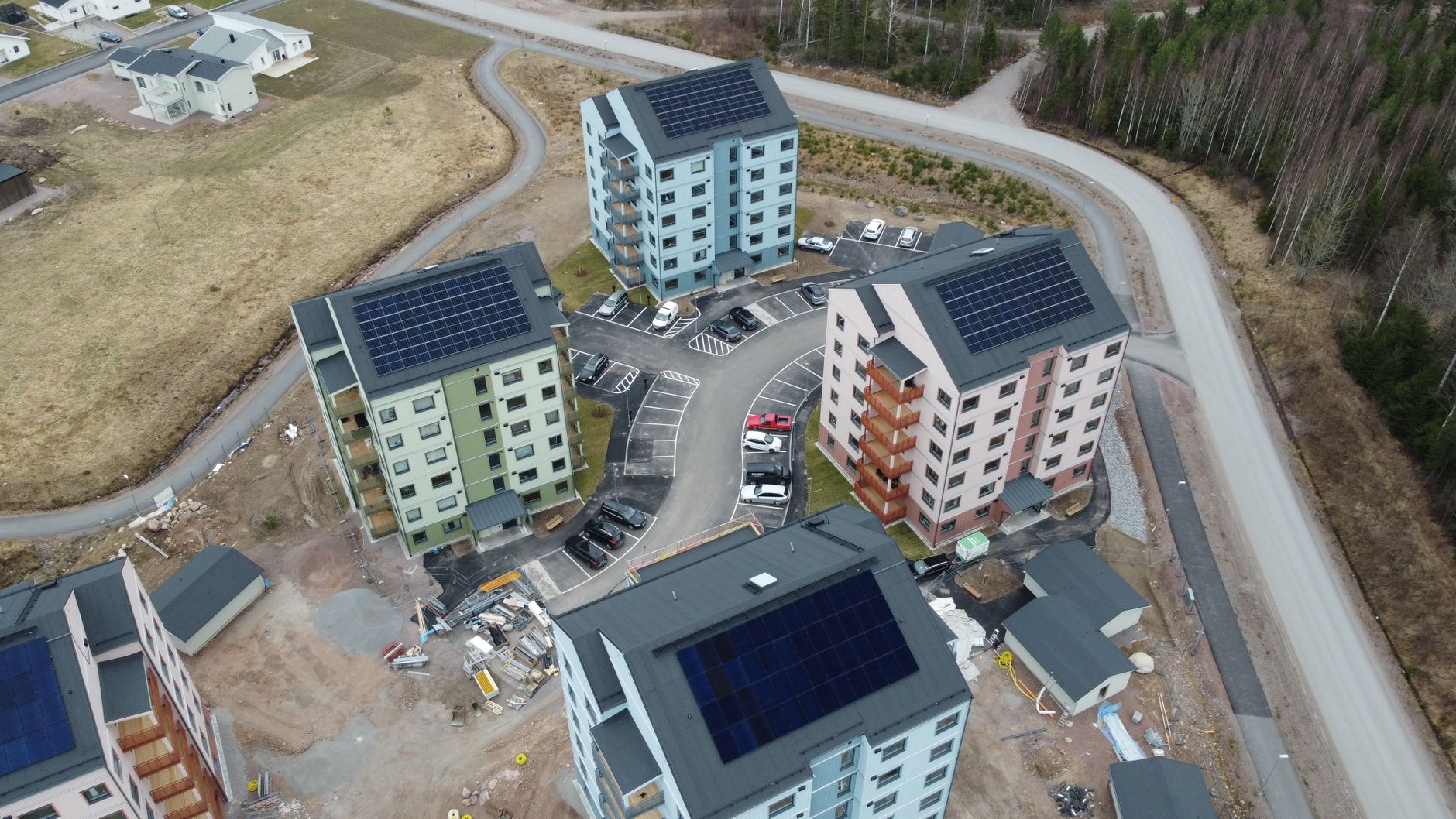
Practical Steps to Improve Energy Efficiency
Drawing inspiration from HMO landlords, here are some actionable steps social housing professionals can take to enhance energy efficiency:
1. Invest in Insulation and Glazing
Proper insulation and double-glazed windows can significantly reduce heat loss, making homes warmer and more energy-efficient. This is particularly important in older properties, which often suffer from poor insulation.
2. Upgrade Heating Systems
Modern, energy-efficient boilers and heating systems can drastically cut energy consumption. Consider installing smart thermostats to give tenants greater control over their heating.
3. Encourage Renewable Energy
Solar panels, heat pumps, and other renewable energy sources can reduce reliance on fossil fuels. While the initial investment may be high, the long-term savings and environmental benefits are substantial.
4. Educate Tenants
Energy efficiency isn’t just about infrastructure—it’s also about behaviour. Providing tenants with tips on reducing energy use can make a big difference. Simple actions like turning off lights and using energy-saving settings on appliances can add up.
For more detailed guidance, refer to the government’s EPC guidelines or explore resources on Social Home’s platform.
Collaborating with Housing Associations and Councils
Improving energy efficiency requires collaboration across the housing sector. Housing associations and councils play a pivotal role in driving change. By partnering with service providers and leveraging platforms like Social Home’s RSL Directory, stakeholders can share best practices, access funding opportunities, and implement large-scale energy efficiency projects.
Additionally, councils can incentivise landlords and housing providers to upgrade their properties by offering grants or tax relief for energy-efficient improvements. This not only benefits tenants but also contributes to local sustainability targets.

Key Takeaways for Social Housing Professionals
The success of HMOs in achieving high EPC ratings offers valuable lessons for the broader social housing sector. Here are the key takeaways:
- Energy efficiency is achievable with the right investments and strategies.
- Collaboration between landlords, housing associations, and councils is essential.
- Educating tenants and promoting sustainable behaviours can amplify the impact of energy-efficient measures.
For those managing exempt accommodation or other specialist housing types, energy efficiency is not just a regulatory requirement—it’s a moral imperative that enhances tenant wellbeing and reduces environmental impact.
Ready to Transform Your Housing Management?
As the housing sector continues to evolve, staying ahead of the curve is more important than ever. Social Home offers a comprehensive platform to streamline housing management, access vital resources, and connect with industry experts. Whether you’re a housing association, council worker, or NHS professional, Social Home is your partner in creating sustainable, efficient housing solutions.
Ready to take the next step? Sign up for Social Home today and experience the future of social housing management.