

Housing Watch: The housing industry needs action, not good intentions – Mortgage Strategy
The Housing Crisis in 2026: Why We Need Action, Not Just Intentions

The clock is ticking on the UK's housing crisis. As we reach the halfway point of 2026, developers across the country report the same worrying trend: activity has slowed to a crawl while demand continues to skyrocket. For housing professionals - from council workers to NHS staff coordinating discharge-to-assess programmes - this isn't just statistics; it's a daily reality impacting the most vulnerable in our society.
This isn't another piece about what's wrong with housing policy. This is a call to action for everyone in the sector to move beyond good intentions and implement practical solutions that actually deliver homes.
The State of Play in 2026: A Sector Under Pressure
Multiple factors have converged to create what many are calling 'The Great Housing Slowdown':
- Planning backlogs have increased by 42% since 2022 (Gov.uk planning statistics)
- Construction costs remain 28% higher than pre-pandemic levels
- Housing associations report RSL funding gaps averaging £15,000 per unit
- Waiting lists for social housing have grown by 17% in three years

The Human Cost Behind the Statistics
Behind these numbers are real people:
- Families in temporary accommodation for over 24 months
- NHS patients stuck in hospitals because supported housing placements aren't available
- Key workers priced out of communities they serve
Four Areas Demanding Immediate Action
1. Streamlining Planning for Social Housing
The current system disproportionately delays affordable housing projects. While recent reforms like the NPPF revisions help, councils need:
- Dedicated social housing planning teams
- Pre-approved designs for repeatable schemes
- Digital platforms to coordinate across departments
2. Closing the Funding Gap
Creative financing solutions are emerging, including:
- Local authority-led development corporations
- Pension fund investment in social housing REITs
- Partnership models through registered providers
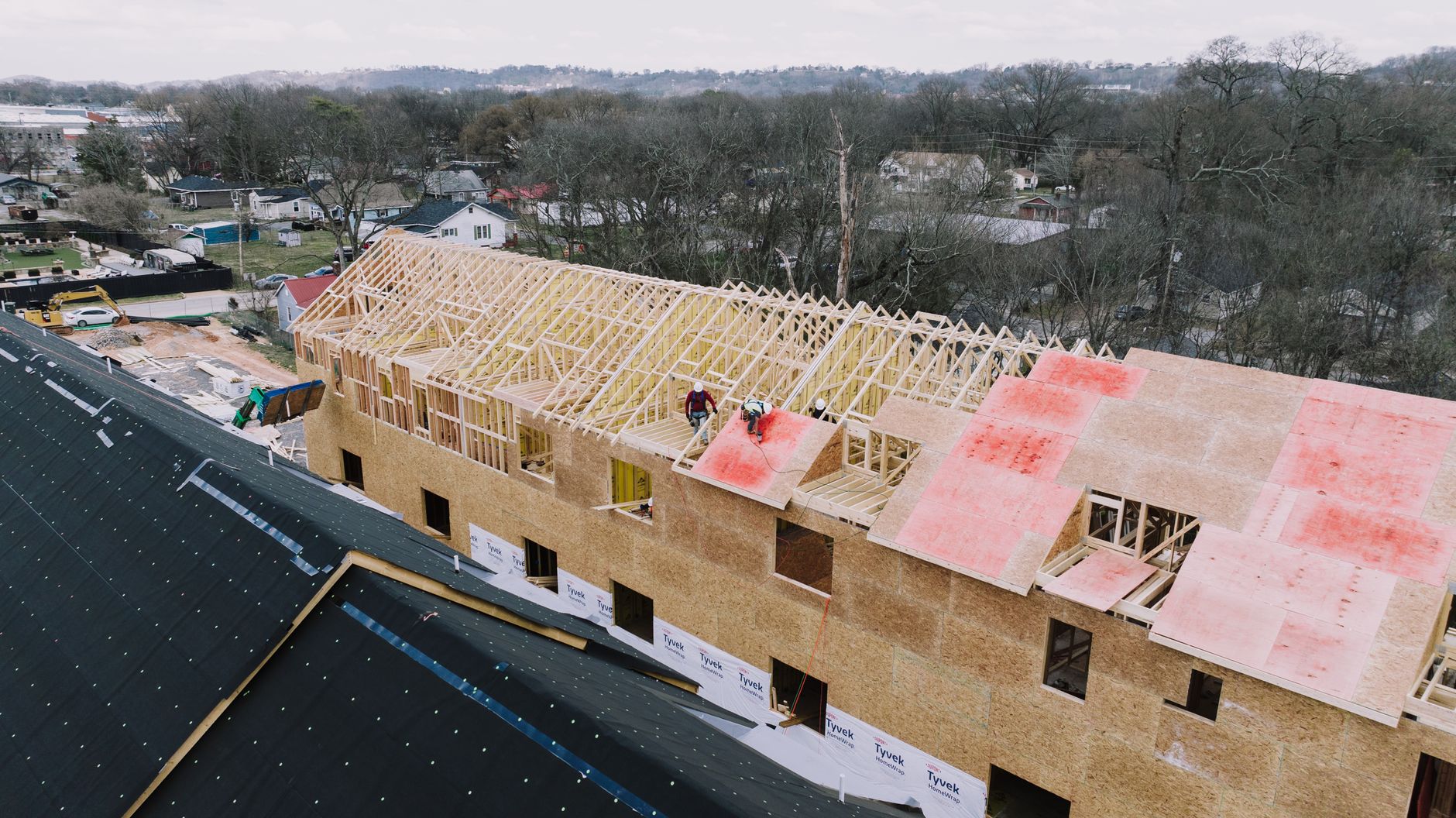
3. Accelerating Modular and Modern Methods of Construction (MMC)
MMC could deliver 30-50% faster build times, yet adoption remains below potential due to:
- Planning system inflexibility
- Supply chain bottlenecks
- Contractor risk aversion
4. Integrating Housing with Health and Social Care
The exempt accommodation model shows how housing can reduce NHS pressures, but we need:
- Joint commissioning between ICSs and housing providers
- Standardised discharge protocols
- Digital platforms linking housing and health systems
What Housing Professionals Can Do Right Now
While systemic change takes time, there are immediate actions you can take:
- Audit your pipeline - Identify stalled schemes that could be unlocked with small interventions
- Leverage existing stock - Many properties listed on Social Home could meet urgent needs
- Collaborate across boundaries - The care home sector often has underutilised capacity
- Share knowledge - Our housing blog features case studies from organisations making progress
Conclusion: From Intentions to Impact
The housing crisis won't solve itself through wishful thinking or incremental change. As we navigate 2026's challenges, the sector needs:
- Bold leadership at all levels
- Practical collaboration between housing, health and social care
- Innovative use of technology to streamline processes
The solutions exist - what's needed now is the collective will to implement them at scale.
Ready to Be Part of the Solution?
Social Home connects housing professionals with the tools, properties and partners needed to make real progress. Join over 5,000 organisations already using our platform to:
- Access thousands of verified available properties
- Connect with registered providers across the UK
- Streamline referrals and placements
Start your free trial today and experience the difference a coordinated approach can make.