

How charities help the homeless in heatwaves
How Charities Are Lifelines for the Homeless During Heatwaves
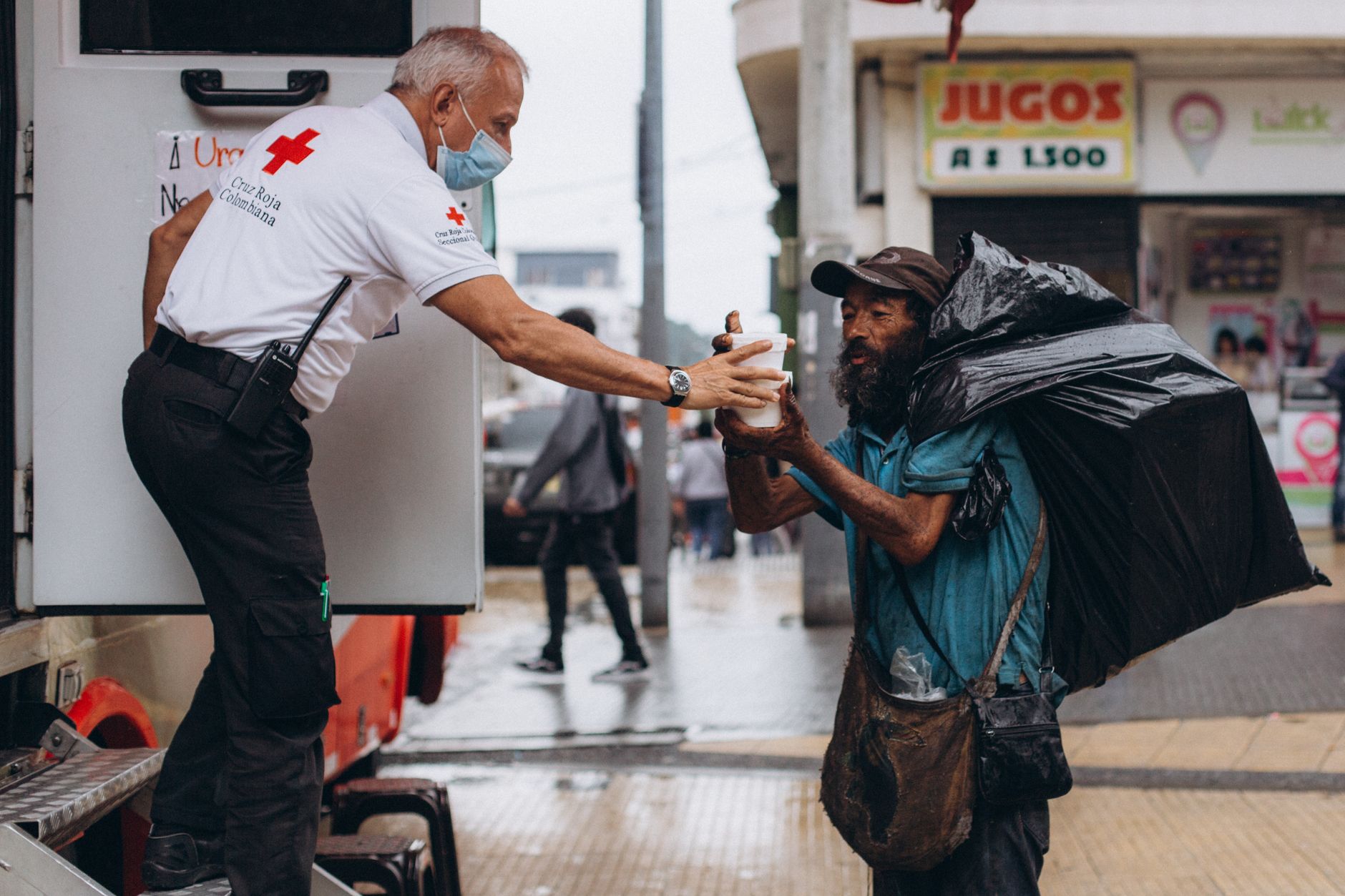
The mercury rises. The pavements bake. And for those without shelter, a heatwave quickly becomes a matter of life and death. While many of us retreat to air-conditioned spaces during summer heatwaves, rough sleepers face dehydration, heatstroke, and sunburn with little protection. This is where charities step in as frontline defenders - but how exactly do they help, and what can housing professionals learn from their crisis response?
The Deadly Reality of Heatwaves for Rough Sleepers
When temperatures soar above 30°C, the homeless population faces unique dangers:
- Dehydration: Limited access to clean drinking water
- Heatstroke: No escape from direct sunlight
- Sun damage: Severe burns and skin conditions
- Medication risks: Many medications increase heat sensitivity
- Existing health conditions: Often exacerbated by extreme heat
According to Met Office data, UK heatwaves are becoming more frequent and intense, making this an escalating crisis for housing providers and health services alike.
How Charities Mobilise During Heat Alerts

Immediate Crisis Response
Leading homeless charities like Crisis and Shelter activate emergency protocols during heatwaves:
- 24/7 outreach teams: Additional patrols to identify at-risk individuals
- Water distribution: Bottled water and hydration packs
- Cooling kits: Sunscreen, hats, light clothing, and cooling towels
- Emergency shelter: Temporary cool spaces in community centres
- Medical support: On-site health checks for heat-related illnesses
Preventative Measures
Forward-thinking organisations implement preventative strategies that housing associations could adapt:
- Heatwave warning systems: Alert networks through partner organisations
- Cool space mapping: Identifying public buildings willing to open doors
- Vulnerability registers: Flagging high-risk individuals in advance
- Staff training: Recognising and treating heat exhaustion
Partnership Opportunities for Housing Providers
There's significant potential for housing providers to collaborate with charities:
1. Joint Emergency Protocols
Develop integrated response plans that combine:
- Charity outreach networks
- Housing association properties as cooling centres
- Council emergency accommodation pathways
2. Information Sharing
Platforms like Social Home can facilitate secure data sharing about vulnerable residents between:
- Supported housing providers
- NHS services
- Homeless charities

3. Resource Pooling
Combine budgets and assets for greater impact:
- Shared procurement of cooling equipment
- Joint staff training programmes
- Co-funded outreach worker positions
Key Takeaways for Housing Professionals
As extreme weather events increase, housing providers should:
- Establish formal partnerships with local homeless charities
- Develop clear heatwave response protocols for vulnerable tenants
- Train frontline staff in heat-related health risks
- Consider designating some supported housing as emergency cooling centres
- Use platforms that facilitate multi-agency coordination
Be Part of the Solution
The challenges of climate change and housing insecurity require innovative, collaborative solutions. By working together - charities, housing associations, councils and health services - we can prevent unnecessary suffering during extreme weather events.
Ready to enhance your organisation's crisis response capabilities? Social Home provides the tools and networks to coordinate effective heatwave responses for vulnerable residents. From managing emergency accommodation to connecting with charity partners, our platform helps housing professionals save lives during extreme weather.
Transform Your Heatwave Response Today
Join housing providers across the UK who are proactively protecting vulnerable residents from extreme heat:
- Access our emergency planning resources in the Social Home resource library
- Connect with charity partners through our RSL directory
- Discover available properties for emergency cooling centres