

What’s got London councils building again?
Why London Councils Are Returning to Housebuilding - And What It Means for Social Housing
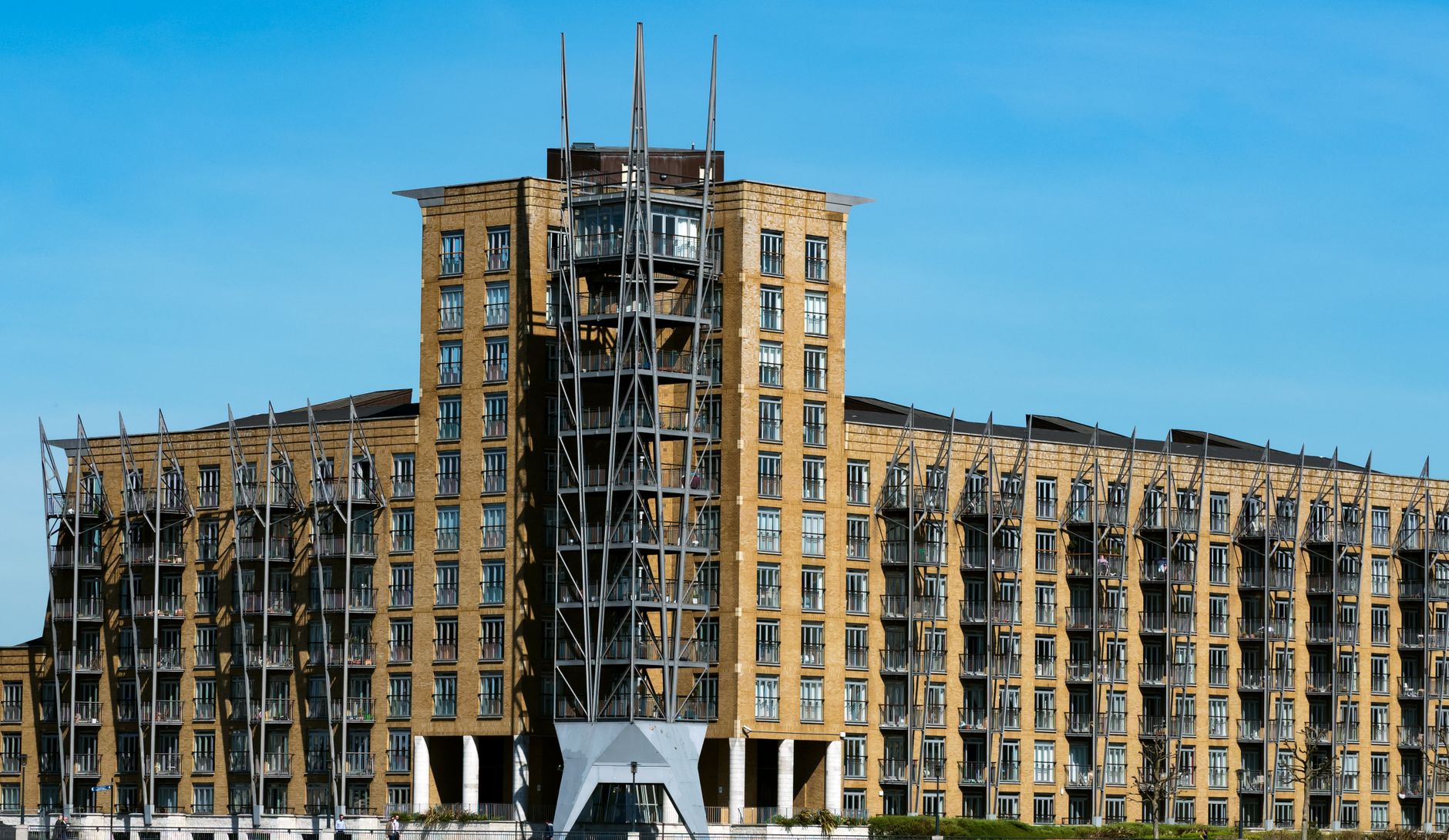
The landscape of social housing in London is undergoing a quiet revolution. After decades of outsourcing housing delivery to private developers and housing associations, local authorities are rediscovering their role as direct providers of affordable homes. As James Cogan of Boyer recently noted, it's encouraging to see councils reasserting themselves in housebuilding - but what's driving this shift, and how can housing professionals capitalise on it?
The Resurgence of Council Housebuilding
According to government statistics, council housebuilding in London has increased by 67% since 2018. This marks a significant policy shift from the previous emphasis on private sector delivery through schemes like Section 106 agreements.
Key Drivers Behind the Change
- Financial flexibility: The removal of HRA borrowing caps in 2018 gave councils more freedom to invest
- Political priorities: Growing public pressure to address the housing crisis
- Financial benefits: Councils recognising the long-term revenue potential from council housing
- Quality control: Direct delivery allows better oversight of housing standards

What This Means for Housing Professionals
For registered social landlords and housing associations, this shift presents both challenges and opportunities. As outlined in our Resources section, collaboration between councils and housing providers is becoming increasingly important.
Practical Implications
1. Partnership opportunities: Many councils lack the capacity to deliver at scale alone. The RSL Directory shows several successful joint ventures between councils and housing associations.
2. Workforce development: With councils building again, demand for skilled housing professionals is growing. Check our housing jobs board for the latest opportunities.
3. Tenant engagement: Council-led developments often involve different community engagement approaches. Our Exempt Accommodation guide explains some key considerations.
Case Studies: London Councils Leading the Way
Several London boroughs have become trailblazers in municipal housebuilding:
- Southwark's Council Homes programme aims to deliver 11,000 new council homes by 2043
- Camden's Community Investment Programme has delivered over 1,100 new council homes since 2010
- Barking and Dagenham's direct delivery model has seen them build more homes than any other London borough

Challenges and Solutions
While the return to council housebuilding is welcome, it's not without challenges:
1. Land Availability
Councils are increasingly using their own land assets. The Properties section shows how some are optimising existing estates through regeneration.
2. Construction Costs
Inflation has hit building budgets hard. Some councils are turning to modular construction to control costs while maintaining quality.
3. Skills Shortages
The construction industry faces significant skills gaps. Partnerships with local colleges and apprenticeship schemes are helping address this.
Key Takeaways for Housing Professionals
- Council housebuilding is no longer a relic of the past - it's a growing part of London's housing solution
- Housing associations should explore partnership opportunities with ambitious councils
- The skills landscape is changing - ensure your team has the right expertise for this new era
- Tenant engagement strategies may need adapting for council-led developments
Ready to Engage With the New Era of Council Housebuilding?
The return of councils as major housing providers represents one of the most significant shifts in social housing delivery in a generation. Whether you're a housing association looking to partner with councils, a professional seeking new opportunities, or a council officer developing your housing strategy, Social Home provides the tools and connections you need to succeed.
Transform your approach to social housing delivery today: Explore our professional packages and join the growing network of housing professionals shaping London's future.