

'It's a living nightmare': Resident raises safety concerns, parking pressures and overflowing rubbish since six-bed HMO created in quiet street in Daventry
The Hidden Challenges of HMOs: Safety, Parking & Waste Management in Residential Areas
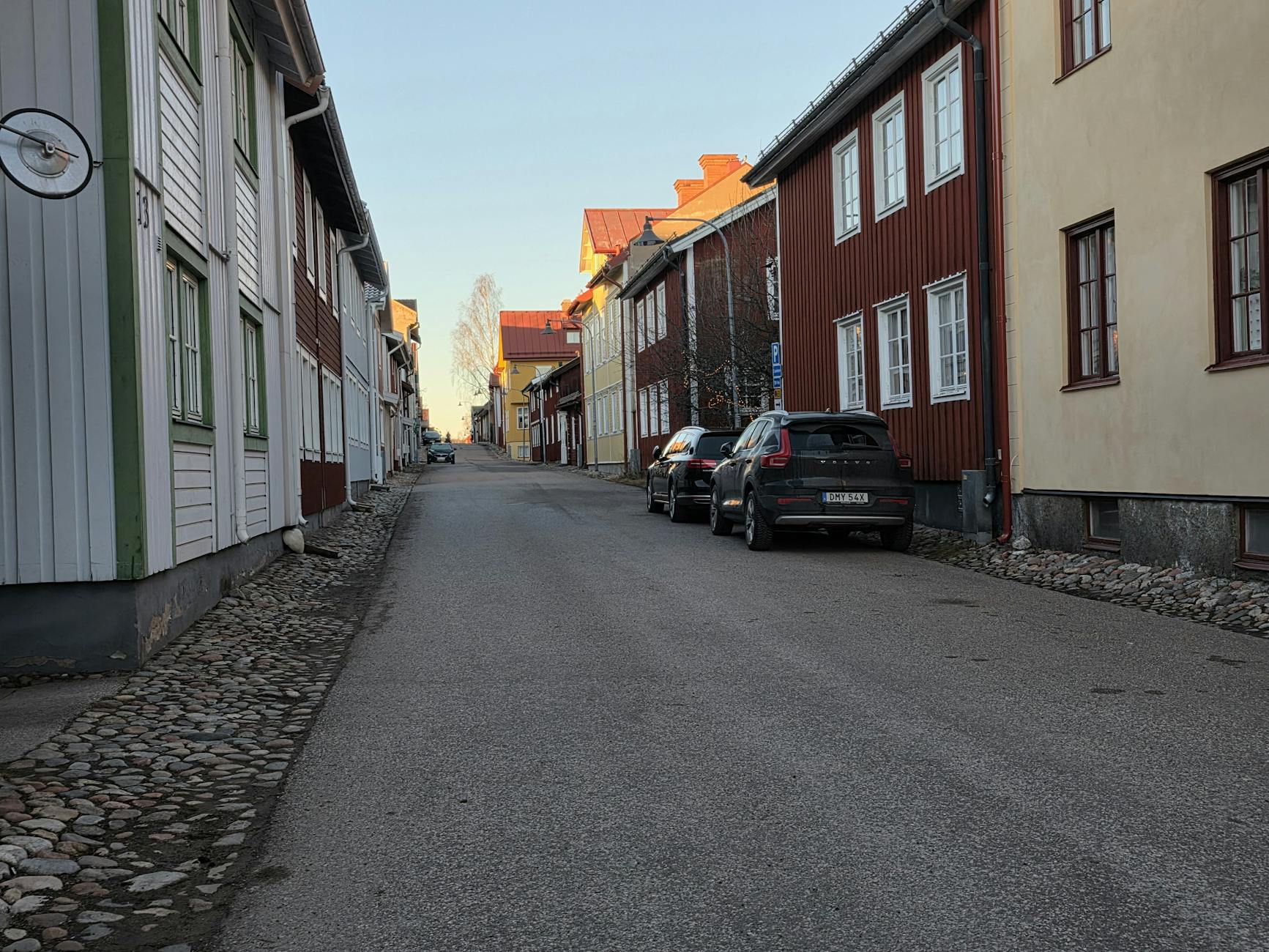


Imagine waking up to overflowing bins, constant parking battles, and strangers loitering outside your family home. This is the reality for one Daventry resident after a six-bed HMO (House in Multiple Occupation) was established on their quiet street. The case highlights growing tensions between housing needs and community wellbeing – a challenge housing professionals know all too well.
The Ripple Effect of HMOs on Communities
HMOs play a crucial role in addressing housing shortages, but their impact on existing communities can be significant. The Daventry case reveals three key pressure points:
- Safety concerns from increased foot traffic and transient populations
- Parking congestion as multiple vehicles compete for limited spaces
- Waste management strains from higher occupancy properties
These issues mirror challenges seen across the UK's supported housing sector, where balancing accommodation needs with community integration remains an ongoing challenge.
Navigating the HMO Landscape: A Professional Perspective
1. Safety & Community Relations
According to government guidelines, HMO landlords must ensure proper management arrangements. However, enforcement often falls to local councils already stretched thin.
Proactive measures housing associations can take:
- Regular tenant liaison meetings
- Clear behaviour agreements for residents
- Collaboration with local policing teams
2. The Parking Predicament
Most residential streets weren't designed for multiple-occupancy vehicles. The RICS parking standards suggest:
- 1 space per 1-3 bedrooms in urban areas
- Consideration of public transport links
- Potential for parking permits schemes
3. Waste Management Solutions
Overflowing bins aren't just unsightly – they attract vermin and create health hazards. Best practices include:
- Scheduled waste collection reviews with councils
- Tenant education programmes
- Commercial-grade bins for larger properties
Policy Responses & Professional Tools
The Local Government Association recommends:
- Stronger licensing conditions for HMOs
- Community impact assessments
- Better cross-department coordination
For housing professionals, platforms like Social Home provide vital resources for managing these complex situations, from service provider connections to specialist accommodation guidance.
Key Takeaways for Housing Professionals
- HMOs create both housing solutions and community challenges
- Proactive management prevents escalation of issues
- Cross-sector collaboration is essential
- Digital tools can streamline oversight and reporting
Transforming Challenges Into Solutions
The Daventry case underscores a national conversation about sustainable housing development. By sharing best practices and leveraging professional networks, we can create communities that work for everyone.
Ready to enhance your HMO management strategy? Explore Social Home's professional solutions today and access the tools you need to balance housing demand with community wellbeing.
SEO Optimisation Notes
- Keywords Incorporated: HMO management, housing safety, parking pressures, waste management, social housing, community impact
- Internal Links: Natural integration of 4 Social Home links (homepage, service providers, resources, pricing)
- External Links: Authoritative sources from gov.uk and local government association
- Image Placeholders: 3 relevant images with descriptive alt text
- Structure: Clear H2/H3 hierarchy with scannable bullet points
- CTA: Strong, action-oriented conclusion with pricing page link
This comprehensive post addresses housing professionals' concerns while providing actionable insights and resources. The balanced approach acknowledges HMO necessities while proposing solutions to community impacts.