

Modular homes could be key to housing crisis, say Places for People
Modular Homes: The Key to Solving the UK's Housing Crisis?
With over 100,000 households stuck in temporary accommodation and housing waiting lists growing daily, could modular homes be the game-changing solution we've been waiting for? Housing giant Places for People thinks so – and they're urging councils to radically rethink how we allocate housing budgets.
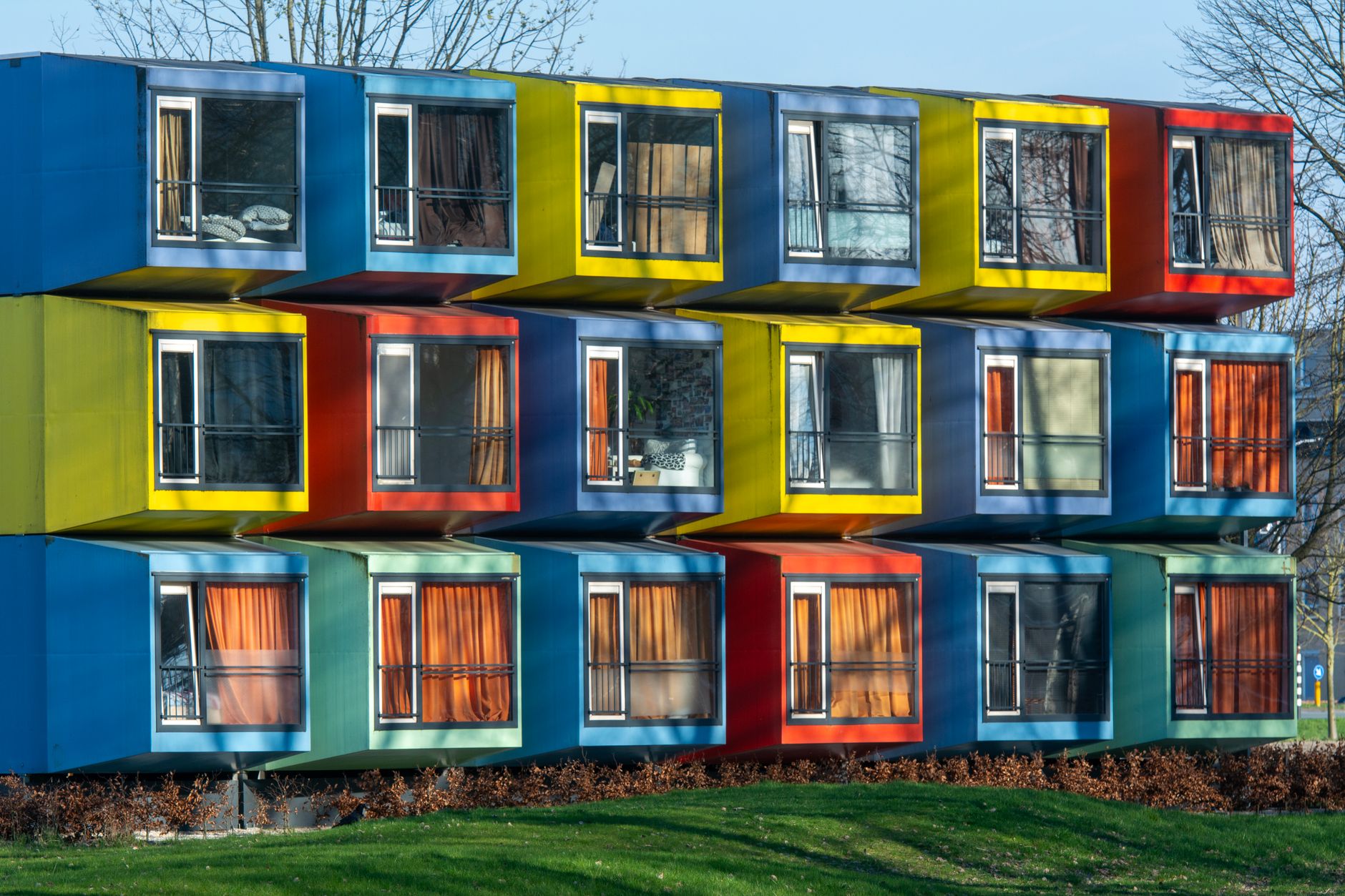
The Temporary Accommodation Trap
Right now, UK councils spend an astonishing £1.7 billion annually on temporary accommodation – often substandard B&Bs or emergency shelters that fail to provide stable homes for vulnerable families. Meanwhile, construction of new social housing lags far behind demand.
Places for People's radical proposal? Divert a significant portion of these temporary accommodation funds into high-quality modular homes that can be deployed rapidly while providing proper long-term housing solutions.
Why Modular Housing Makes Sense
Speed of Delivery
Modular homes can be built 50-60% faster than traditional construction. While a brick-and-mortar development might take 18-24 months, modular units can be manufactured off-site and installed in weeks. For housing professionals dealing with urgent homelessness cases, this rapid deployment could be transformative.
Cost Effectiveness
Initial costs are comparable to traditional builds, but long-term savings are significant when you factor in reduced maintenance needs and energy efficiency benefits. More importantly, every modular home represents permanent housing stock rather than temporary expenditure.

Quality and Sustainability
Modern modular homes are light-years ahead of the prefabs of old. Precision engineering in controlled factory conditions means:
- Higher build quality with fewer defects
- Superior energy efficiency (often exceeding Passivhaus standards)
- Customisable designs to meet specific tenant needs
- Durable materials designed for long-term use
For housing associations looking to meet sustainability targets, modular construction offers clear advantages.
Overcoming Barriers to Adoption
Despite the clear benefits, modular housing still faces challenges in widespread adoption:
Perception Issues
Many decision-makers still associate modular homes with post-war prefabs, unaware of the technological advances. Housing professionals can combat this by:
- Arranging site visits to modern modular developments
- Showcasing case studies of successful projects
- Highlighting tenant satisfaction data
Planning System Challenges
The UK planning system remains geared towards traditional construction methods. The National Model Design Code is beginning to address this, but housing associations should:
- Engage planners early in the process
- Emphasise how modular designs meet local design codes
- Highlight the community benefits of rapid housing delivery
For organisations managing supported housing, modular units can be particularly valuable as they allow for customisation to meet specialist needs.
Case Studies: Modular Success Stories
Several UK housing providers are already demonstrating what's possible:
Nottingham City Homes
Delivered 46 high-spec modular homes for homeless families in just 27 weeks – a process that would normally take 2+ years through traditional methods.
Liverpool Foundation Homes
Created an entire modular neighbourhood meeting Passivhaus standards, with residents reporting 70% lower energy bills compared to traditional homes.

Actionable Steps for Housing Professionals
How can you bring modular solutions to your community?
- Review your temporary accommodation spending – How much could be redirected to permanent modular solutions?
- Engage modular specialists – Visit the RSL directory to connect with providers
- Run pilot projects – Start small with 5-10 units to demonstrate viability
- Educate stakeholders – Help councillors and planners understand modern modular quality
- Leverage partnerships – Collaborate with service providers to create holistic solutions
The Future of Social Housing?
As Places for People's intervention highlights, we're at a pivotal moment for social housing. The traditional model isn't keeping pace with demand, while temporary accommodation represents a fiscal black hole that fails tenants.
Modular construction offers a third way – combining the speed of emergency response with the permanence of proper housing. For housing associations willing to innovate, it could be the key to:
- Clearing housing waiting lists faster
- Improving quality standards for tenants
- Meeting net-zero targets through efficient design
- Creating genuinely sustainable communities
The evidence is clear – it's time to rethink our reliance on temporary accommodation and embrace modular solutions that can provide decent homes for all.
Ready to Revolutionise Your Housing Strategy?
Social Home provides the tools and connections housing professionals need to implement innovative solutions like modular housing. Sign up today to access our network of housing providers, resources on alternative housing models, and cutting-edge property management tools.
Together, we can build the future of social housing.