

New cladding funding risks "years of delays"
New Cladding Funding Risks "Years of Delays" for Leaseholders
Thousands of leaseholders could face years of uncertainty as campaigners dismiss the government's latest cladding funding announcement as "incremental measures" that fail to address systemic delays. For housing professionals, this raises urgent questions about resident safety, financial liabilities, and long-term housing solutions.
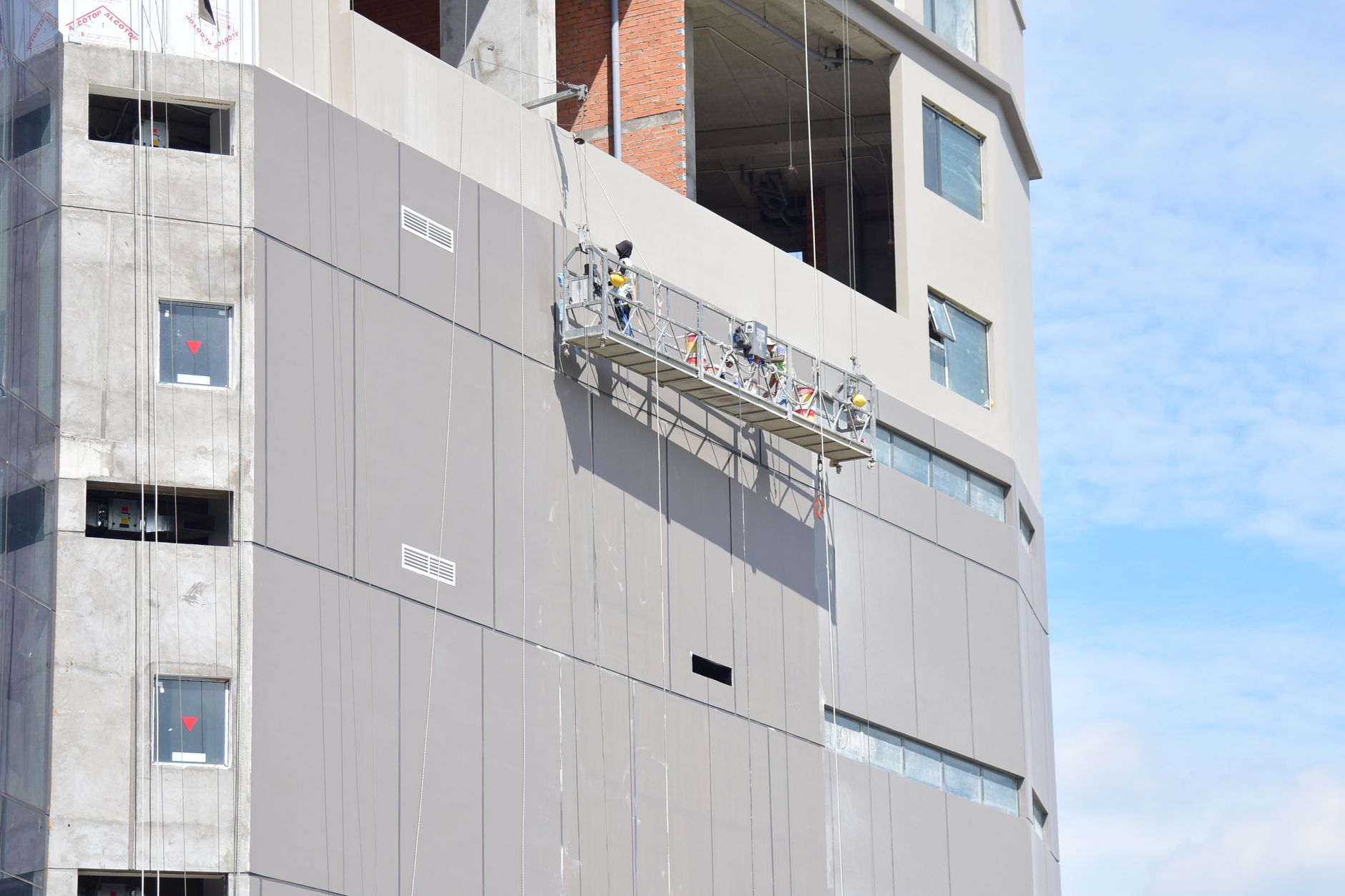
The Cladding Crisis: A Persistent Challenge
Four years after the Grenfell Tower tragedy, the cladding scandal continues to haunt the housing sector. While the government's Building Safety Fund has allocated billions, campaigners argue the latest funding injection risks becoming trapped in bureaucracy rather than reaching affected buildings.
Why Housing Professionals Should Be Concerned
- Extended timelines mean prolonged safety risks for residents
- Housing associations face increasing pressure to find interim solutions
- Financial burdens may shift to RSLs and local authorities
- Mental health impacts on residents stuck in limbo
Breaking Down the Funding Announcement
The Department for Levelling Up, Housing and Communities recently announced an additional £3 billion for cladding remediation. However, housing experts highlight three critical flaws:

1. Bureaucratic Bottlenecks
Complex application processes and eligibility criteria continue to slow progress. Many housing providers report waiting over 12 months for funding approvals.
2. Narrow Scope
The funding primarily targets high-rise buildings, leaving mid-rise properties in legal and financial limbo. This creates a two-tier system where some leaseholders remain unprotected.
3. Workforce Shortages
Even with funding approved, the sector lacks sufficient qualified professionals to undertake remediation at the required scale, as noted in government data.
Practical Steps for Housing Providers
While awaiting systemic solutions, housing professionals can take immediate action:
1. Prioritise Communication
Regular, transparent updates to residents can help manage expectations and reduce anxiety. Consider using platforms like Social Home to streamline resident communications.
2. Explore Interim Measures
Where full remediation is delayed, consider temporary safety enhancements like enhanced fire detection systems or waking watches.
3. Financial Planning
Develop contingency plans for scenarios where funding falls short. Our resources section includes financial planning templates for housing providers.
The Human Impact Behind the Headlines
Behind the policy debates are real people facing daily uncertainty. NHS mental health services report increasing cases of anxiety among affected residents, particularly in supported housing settings where vulnerable tenants reside.
"We're seeing residents stuck in properties they can't sell, facing bills they can't pay, with no clear end in sight. This isn't just about buildings - it's about people's lives."
- Housing Association Director, London
Key Takeaways for Housing Professionals
- The new funding, while welcome, doesn't solve systemic delays in the remediation process
- Housing providers should prepare for extended timelines and develop contingency plans
- Resident wellbeing must remain central to all decision-making
- Collaboration across sectors is essential - from care providers to local authorities
Looking Ahead: The Path to Resolution
While challenges remain, some positive developments offer hope:
- The Building Safety Act 2022 provides new regulatory powers
- Innovative construction methods may speed up remediation
- Digital tools like Social Home's platform help streamline resident engagement
Take Action Today
The cladding crisis demands proactive solutions. Social Home provides housing professionals with the tools to:
- Manage resident communications efficiently
- Coordinate with multiple stakeholders
- Access up-to-date resources and guidance
Ready to transform how you manage building safety challenges? Sign up for Social Home today and join the growing network of housing professionals tackling these issues head-on.