

New Rent Increase Rules for Landlords in 2026
New Rent Increase Rules for Landlords in 2026: What You Need to Know
Are you a social housing professional, housing association worker, or council employee preparing for the upcoming changes to rent increase regulations in England? The 2026 reforms introduce critical updates—including revised notice periods, annual limits, and market rent challenges—that will impact how you manage tenancies. This guide breaks down everything you need to know to stay compliant and proactive.
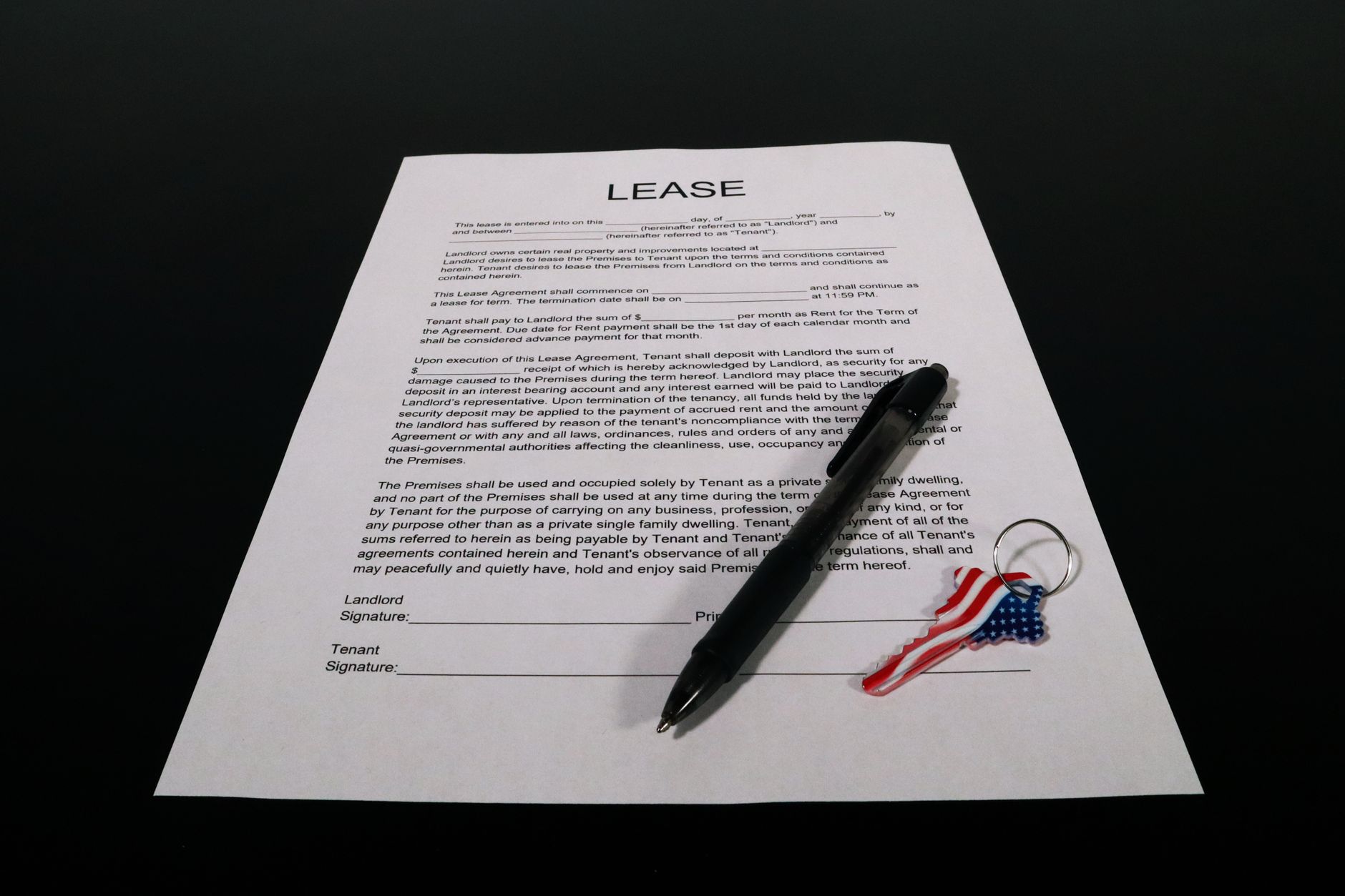
Key Changes to Rent Increase Rules in 2026
The UK government has introduced several adjustments to rent increase protocols under the Housing Act 1988, effective from 2026. These changes aim to balance tenant affordability with landlord sustainability, particularly in the social housing sector.
1. Mandatory Two Months' Notice Period
Landlords must now provide a minimum of two months' written notice before implementing any rent increase. This replaces the previous one-month requirement, giving tenants more time to adjust their budgets.
2. Introduction of Form 4A
A new standardized Form 4A must be used for all rent increase notices. This ensures clarity and consistency across tenancies. The form includes:
- Current rent amount
- Proposed new rent
- Calculation method (e.g., CPI + 1%)
- Tenant's right to challenge

3. Annual Rent Increase Caps
For social housing providers, annual rent increases are now capped at the lower of:
- CPI + 1%
- Local market rent benchmarks
This aligns with the Social Home Resources guidance on sustainable rent setting.
How Housing Associations Should Prepare
Review Your Portfolio
Assess all tenancies to identify:
- Properties below market rent (potential for increases)
- Properties at risk of exceeding new caps
- Tenants who may qualify for exempt accommodation status
Update Your Systems
Ensure your housing management software can:
- Track CPI and local rent benchmarks
- Generate Form 4A automatically
- Flag tenancies approaching notice deadlines
Platforms like Social Home offer integrated solutions for these requirements.

Challenges and Solutions
Market Rent Disputes
Tenants can challenge increases they believe exceed local market rates. Housing associations should:
- Maintain up-to-date comparables data
- Document valuation methodologies
- Use RSL directory benchmarks where available
Affordability Pressures
For vulnerable tenants, consider:
- Phased implementation of increases
- Referrals to supported housing services
- Discretionary hardship funds
Key Takeaways
- Two months' notice is now mandatory for all rent increases
- Form 4A standardizes the notification process
- Annual caps protect both tenants and housing providers
- Proactive system updates prevent compliance risks
Ready to Simplify Rent Management?
Navigating these changes doesn't have to be complex. Social Home provides housing associations and councils with:
- Automated rent increase calculations
- Customizable Form 4A generation
- Real-time market data integration
Transform your rent management today: Explore Social Home's solutions and ensure seamless compliance with the 2026 regulations.