

Number of children in temporary accommodation hits record high
Crisis in Temporary Accommodation: A Record Number of Children Affected
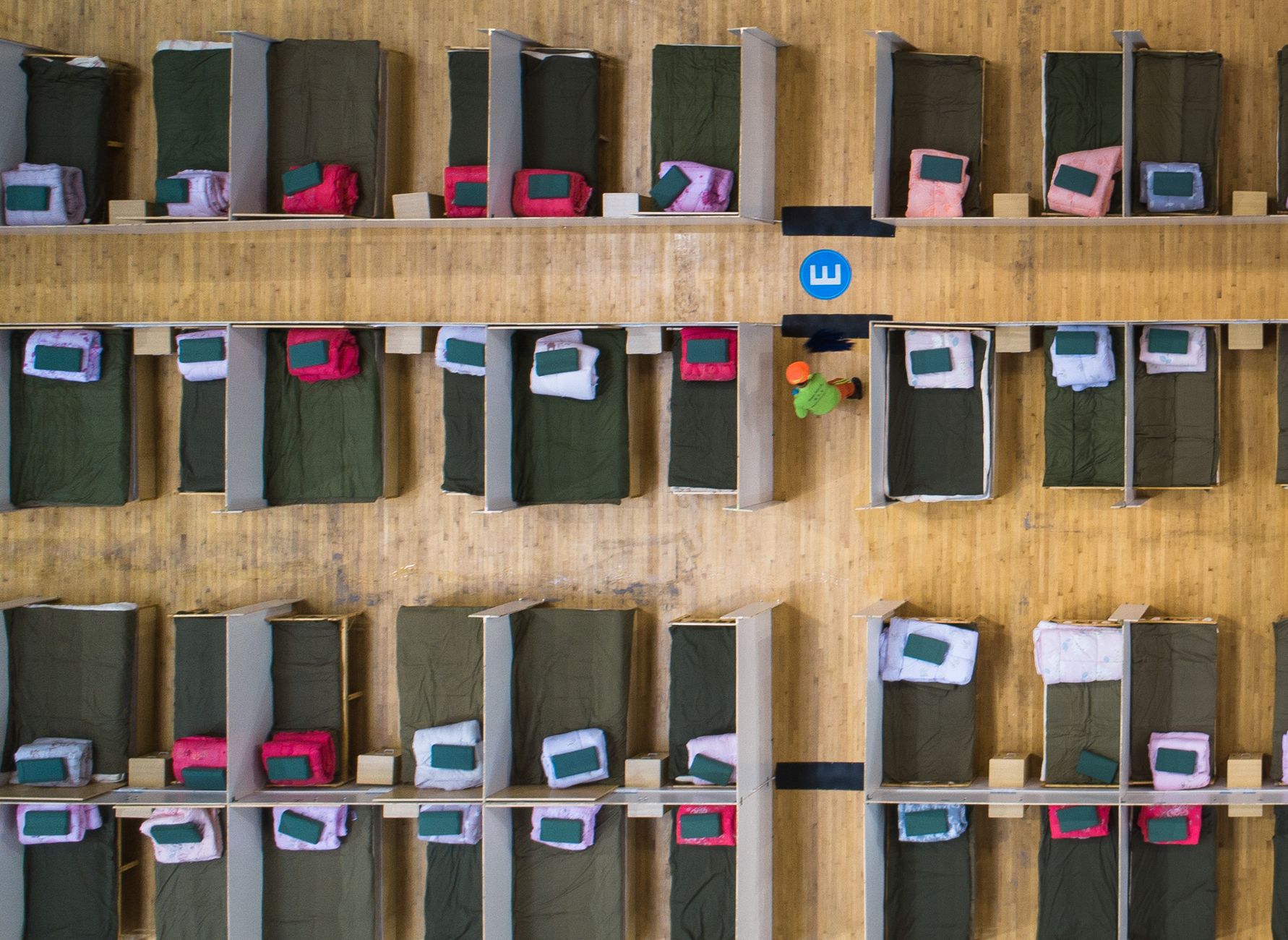
The number of children living in temporary accommodation has reached its 18th consecutive quarterly high – a sobering milestone that demands urgent attention from housing professionals, councils, and health services. For social housing providers and local authorities, this isn’t just a statistic; it’s a growing humanitarian crisis with profound implications for child welfare, education, and long-term social mobility.
The Alarming Rise of Temporary Accommodation for Families
Recent reports confirm that over 131,000 children are now living in temporary housing across England – the highest figure since records began. This includes emergency B&Bs, hostels, and shared accommodation, often lacking basic amenities like cooking facilities or private bathrooms. The crisis is exacerbated by:
- Chronic shortage of affordable social housing
- Rising private rental costs outpacing Local Housing Allowance (LHA) rates
- Increasing household debt and welfare reforms
- Lengthy waiting lists for permanent social housing
According to official government statistics, temporary accommodation placements have increased by 89% since 2010.

Why This Crisis Demands Immediate Action
1. Devastating Impact on Child Development
Research by Shelter shows children in temporary accommodation are:
- Twice as likely to experience mental health problems
- More likely to fall behind in school due to frequent moves
- At higher risk of malnutrition and respiratory illnesses
2. Mounting Pressure on Council Resources
Local authorities are spending over £1.7 billion annually on temporary accommodation – funds that could be better invested in long-term housing solutions. Many councils report having exhausted their allocated budgets by Q2.
3. Strain on NHS Services
Poor housing conditions directly correlate with increased A&E admissions for respiratory conditions and mental health crises among children. The NHS estimates overcrowded housing contributes to 1 in 5 child hospital admissions.
Practical Solutions for Housing Professionals

While systemic changes are needed, housing professionals can take immediate action:
1. Leverage Existing Housing Stock More Efficiently
Platforms like Social Home help match available properties with those in greatest need, reducing void periods and placement times. Our RSL Directory connects housing associations to coordinate placements.
2. Advocate for Policy Changes
Key priorities should include:
- LHA rates that reflect actual rental costs
- Increased funding for supported housing initiatives
- Faster conversion of empty properties into social housing
3. Implement Early Intervention Strategies
Proactive measures can prevent temporary accommodation placements:
- Financial resilience programmes for at-risk families
- Partnerships with food banks and welfare advice services
- Expansion of exempt accommodation provisions
Case Study: Reducing Temporary Placements in Manchester
One housing association reduced children in temporary accommodation by 32% through:
- A dedicated family support team
- Partnership with private landlords for affordable lets
- Use of data analytics to predict housing need
Key Takeaways for Housing Professionals
- The temporary accommodation crisis is worsening, with record numbers of children affected
- This creates immediate and long-term costs for councils, health services, and society
- Innovative approaches to housing management can make a tangible difference
- Collaboration between housing providers is essential to find solutions
For more insights on tackling housing challenges, explore our housing professionals' blog.
Take Action Today
The growing crisis of children in temporary accommodation requires urgent, coordinated action. As housing professionals, we have both the responsibility and capability to drive meaningful change.
Ready to transform how your organisation manages housing placements? Sign up for Social Home today and join a growing network of housing professionals working to reduce temporary accommodation placements and create better outcomes for vulnerable families.