

Overheating rental homes - BuyAssociation Group - UK
Overheating in Rental Homes: A Growing Challenge for Social Housing Providers
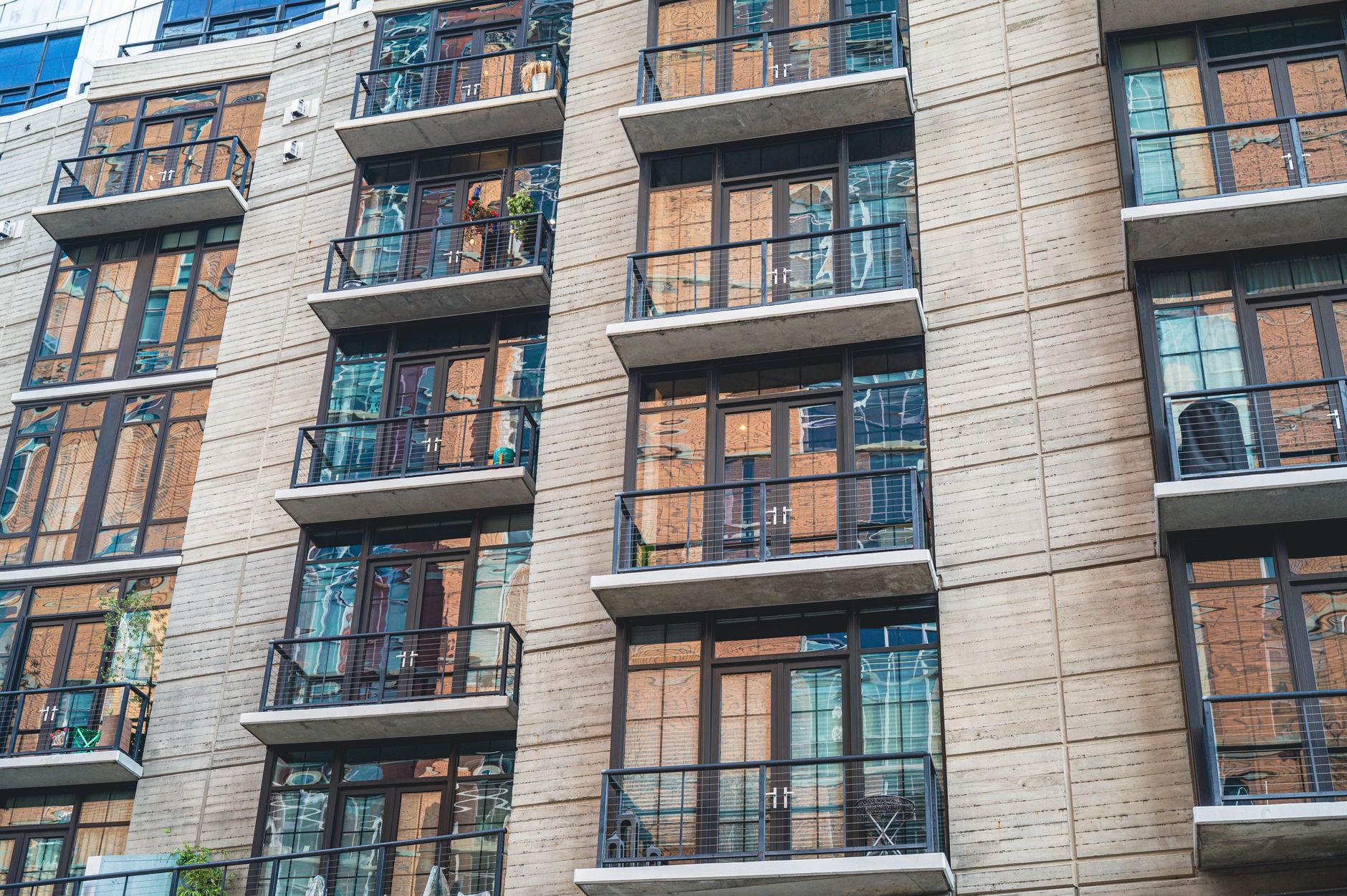
Summer heatwaves are becoming more frequent and intense across the UK, turning attention to a previously overlooked housing hazard: overheating in rental properties. With the introduction of the Renters' Rights Act and updated housing safety guidance, social housing providers, councils and NHS partners now face increasing responsibility to address this pressing issue. But how can you protect vulnerable tenants from dangerous indoor temperatures while meeting regulatory requirements?
Why Overheating Has Become a Critical Housing Issue
The UK government's overheating guidance now explicitly recognises excessive heat as a health hazard, particularly for vulnerable groups including the elderly, young children, and those with chronic health conditions. For housing associations and supported accommodation providers, this creates new compliance challenges:
- Regulatory pressure: The updated Housing Health and Safety Rating System (HHSRS) considers overheating a potential Category 1 hazard
- Health impacts: NHS data shows heat-related hospital admissions spike during heatwaves
- Vulnerable tenants: Residents in care homes and supported housing are particularly at risk
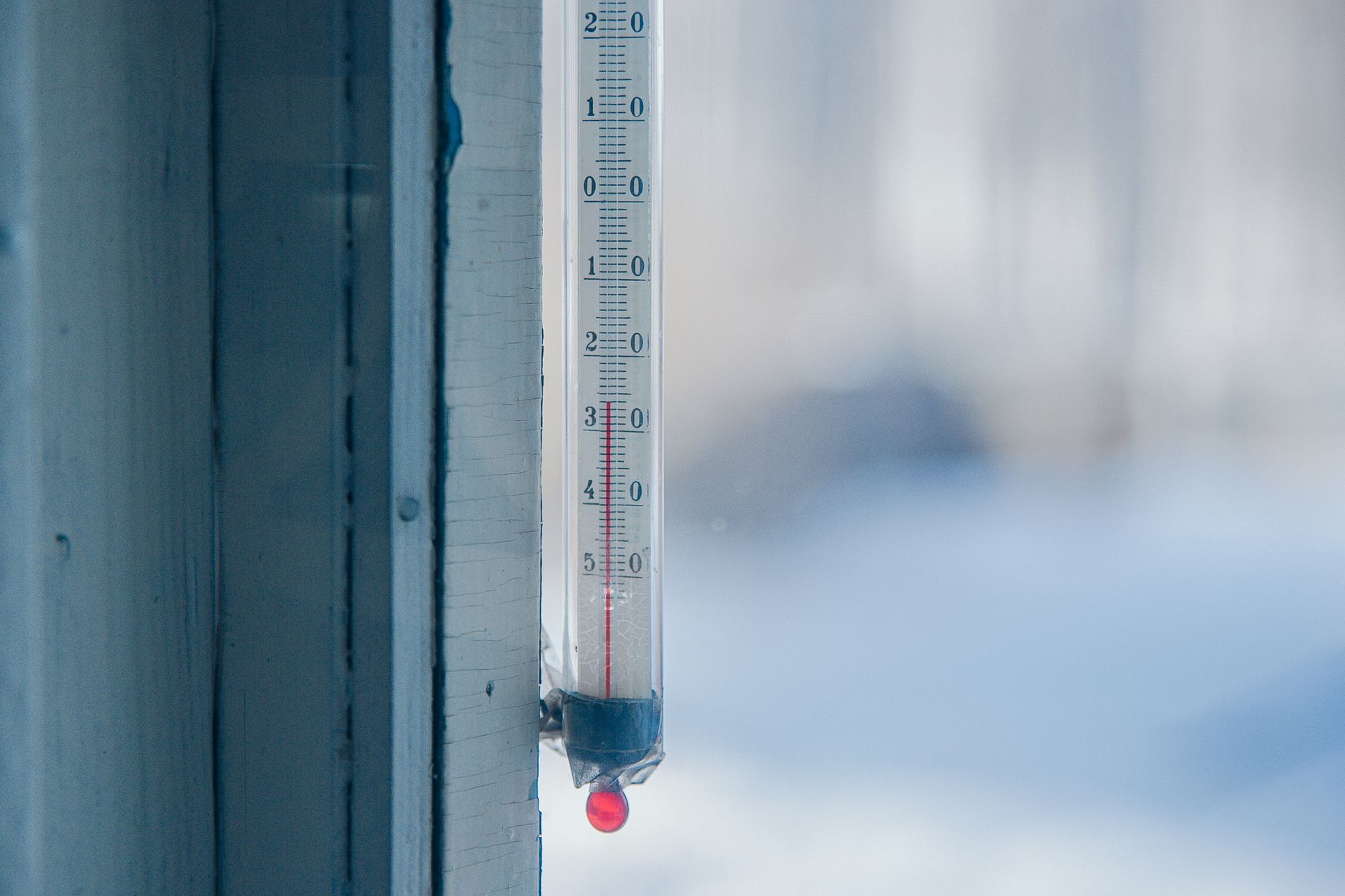
Identifying At-Risk Properties
Not all properties overheat equally. The Ministry of Housing, Communities and Local Government identifies these key risk factors:
Building Characteristics
- Top-floor flats and rooms under flat roofs
- South-facing properties with large windows
- Modern, well-insulated properties (energy efficiency can trap heat)
Locational Factors
- Urban heat island areas (typically cities with limited green space)
- Properties near heat-reflective surfaces
- Areas with limited cross-ventilation potential
Practical Solutions for Housing Providers
Proactive housing associations are implementing multi-layered strategies to mitigate overheating risks:
Short-Term Measures
- Install temporary shading solutions (external blinds, solar films)
- Provide guidance on ventilation timing (opening windows at night)
- Distribute portable cooling devices for vulnerable tenants
Long-Term Solutions
- Retrofit external shading structures
- Install reflective roofing materials
- Incorporate green roofs and walls in refurbishment projects
- Strategic tree planting around housing developments

Collaborating with Health Services
Effective heat mitigation requires partnership between housing and health professionals. The NHS recommends:
- Joint risk assessments for vulnerable tenants
- Shared alert systems for heatwave warnings
- Co-located cooling spaces in community facilities
For providers managing exempt accommodation, these partnerships are particularly crucial given the complex needs of residents.
Regulatory Compliance Made Simple
Navigating the evolving regulatory landscape can be challenging. Social Home's resources section provides up-to-date guidance on:
- HHSRS assessment protocols
- Building Regulations Part O (overheating mitigation)
- Best practice case studies
Key Takeaways for Housing Professionals
- Overheating is now a recognised housing hazard with regulatory implications
- Vulnerable tenants in social and supported housing face particular risks
- Solutions range from immediate measures to strategic retrofits
- Cross-sector collaboration with health services enhances protection
- Proactive planning prevents costly reactive measures
Discover how Social Home's platform can help you manage overheating risks and other housing challenges through our comprehensive property management tools.
Ready to future-proof your housing services?
Join hundreds of housing professionals who use Social Home to streamline compliance, improve tenant wellbeing, and manage properties more effectively. Explore our flexible pricing plans or browse available properties designed with tenant health in mind.
Get Started with Social Home Today