

RSH finalises requirements for electrical safety checks TSM
Introduction: A Critical Step for Tenant Safety
Imagine moving into a social housing property, only to discover faulty wiring that could spark a fire at any moment. Electrical safety isn’t just a regulatory box to tick—it’s a matter of life and death.
Starting in 2026/27, the Regulator of Social Housing (RSH) will require all large social housing landlords in England to publish electrical safety checks as part of their Tenant Satisfaction Measures (TSM). This marks a significant shift in accountability, ensuring tenants live in safe, well-maintained homes.
In this guide, we’ll break down:
✔ What the new TSM requirements entail
✔ How housing associations and councils can prepare
✔ Best practices for compliance
✔ Why this matters for tenant welfare
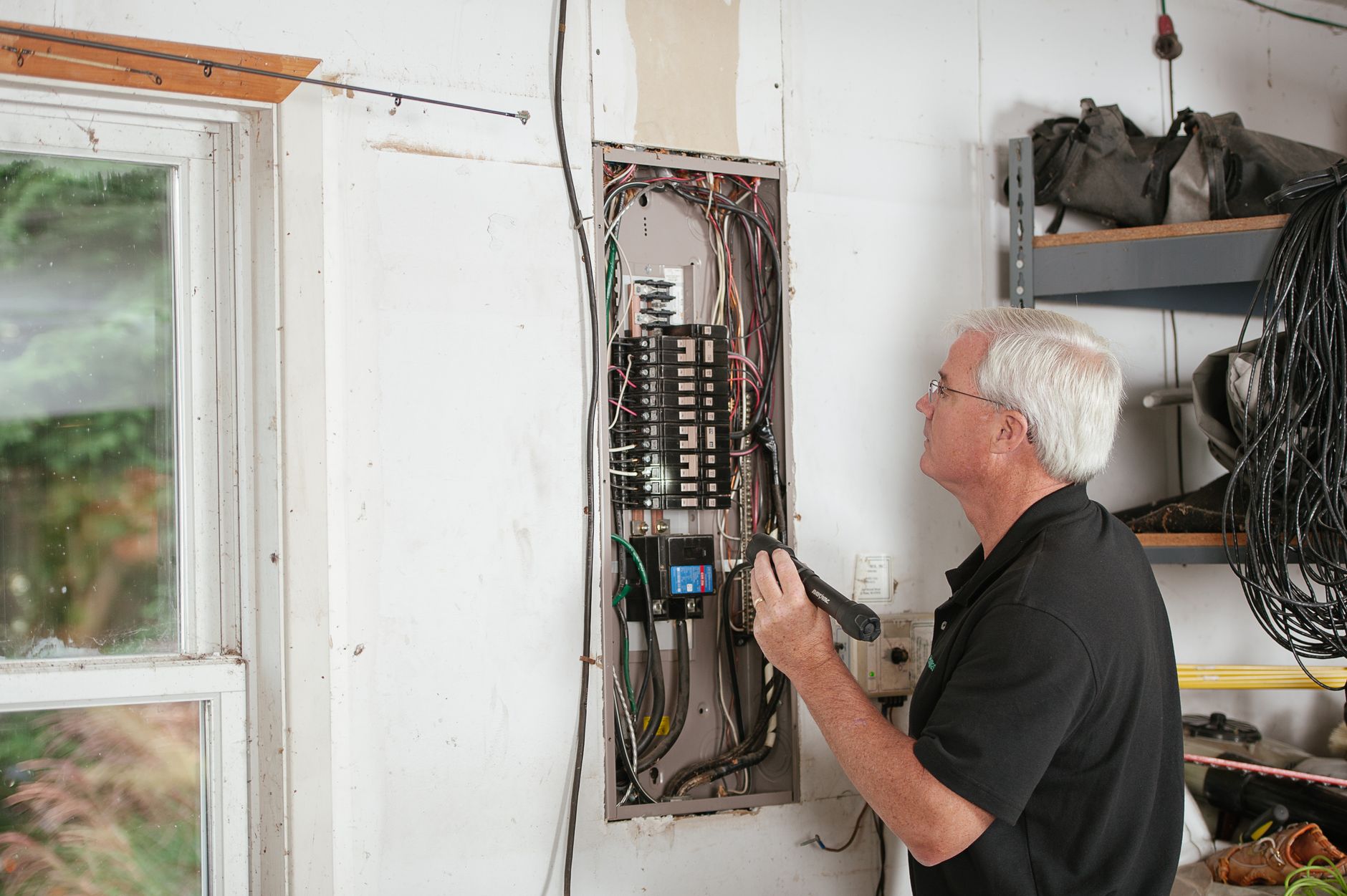 *Caption: Regular electrical checks are crucial for tenant safety.*
Understanding the New Electrical Safety TSM Requirements
1. What’s Changing?
The RSH has finalised its decision to include electrical safety checks in the 2026/27 TSM reporting cycle. This means:
- Large registered providers (housing associations & councils) must publish data on electrical safety compliance.
- Checks must meet the Electrical Safety Standards in the Private Rented Sector (England) Regulations 2020—even though social housing was previously exempt.
- Tenants will have clearer visibility into whether their homes meet safety standards.
2. Why This Matters
Electrical faults cause over 20,000 fires annually in UK homes, many in social housing. The new TSM ensures:
✅ Greater transparency – Tenants can see if their landlord is meeting safety obligations.
✅ Proactive risk management – Identifying faults before they become hazards.
✅ Regulatory compliance – Avoiding penalties and reputational damage.
 *Caption: Transparency in electrical safety builds trust with tenants.*
How Housing Providers Can Prepare
1. Conduct a Compliance Audit
- Review all properties for existing Electrical Installation Condition Reports (EICRs).
- Identify gaps—some older properties may need urgent upgrades.
- Use a trusted contractor—ensure they’re NICEIC or ECA registered.
🔗 Need help finding qualified electricians? Check our Service Providers directory.
2. Implement a Proactive Maintenance Schedule
- Schedule inspections every 5 years (or sooner for higher-risk properties).
- Digitise records for easy TSM reporting.
- Train housing officers to spot warning signs (e.g., flickering lights, burning smells).
🔗 For more on compliance tools, visit our Resources hub.
3. Communicate with Tenants
- Explain why checks are happening—reduce no-access refusals.
- Provide clear timelines for inspections and repairs.
- Use multilingual materials where needed.
🔗 Looking for tenant engagement strategies? Explore our Blog for best practices.
Key Takeaways for Housing Professionals
✔ Start early – Don’t wait until 2026; begin audits now.
✔ Prioritise high-risk properties – Older homes, those with previous faults.
✔ Leverage technology – Digital reporting simplifies TSM compliance.
✔ Engage tenants – Transparency builds trust and cooperation.
 *Caption: Proactive planning ensures smooth compliance with new TSMs.*
Final Thoughts: Safety First, Compliance Follows
The new electrical safety TSM requirements are more than just paperwork—they’re a lifeline for tenants. By acting now, housing providers can:
- Prevent avoidable tragedies
- Strengthen tenant-landlord relationships
- Stay ahead of regulatory changes
🔗 For official guidance, refer to the UK Government’s electrical safety regulations.
🚀 Ready to Simplify Compliance? Join Social Home Today!
Managing electrical safety checks across hundreds of properties doesn’t have to be overwhelming. Social Home provides the tools, resources, and expert network to ensure you meet TSM requirements effortlessly.
👉 Sign up now and take the stress out of housing compliance!
🔗 Explore more on our platform or check out housing sector job opportunities.
By staying proactive, social housing providers can not only meet regulations but also create safer, more secure homes for those who need them most. Will you be ready by 2026?