

SELECT and Aico urge action on damp and mould rules : Housing Digital
Damp and Mould in Social Housing: Urgent Action Needed After Awaab's Law

A child's death from mould exposure should never happen in 21st century Britain. Yet in 2020, two-year-old Awaab Ishak tragically died from respiratory complications caused by severe mould in his Rochdale social housing flat. This preventable tragedy led to Awaab's Law in 2025 - landmark legislation that demands urgent action from housing providers.
As SELECT and Aico recently highlighted, compliance isn't optional - it's a moral and legal obligation. This comprehensive guide examines what social housing professionals, councils and NHS partners must do to protect vulnerable residents.
The Human Cost of Housing Neglect
Awaab's case exposed systemic failures in social housing maintenance:
- His family repeatedly reported dangerous mould since 2017
- Landlords dismissed concerns as "lifestyle" issues
- No effective repairs were completed before his death
This isn't an isolated case. The NHS reports increasing hospital admissions for mould-related respiratory conditions, disproportionately affecting social housing tenants.
What Awaab's Law Requires
The legislation establishes strict new standards for social landlords:
1. Response Timeframes
Landlords must now:
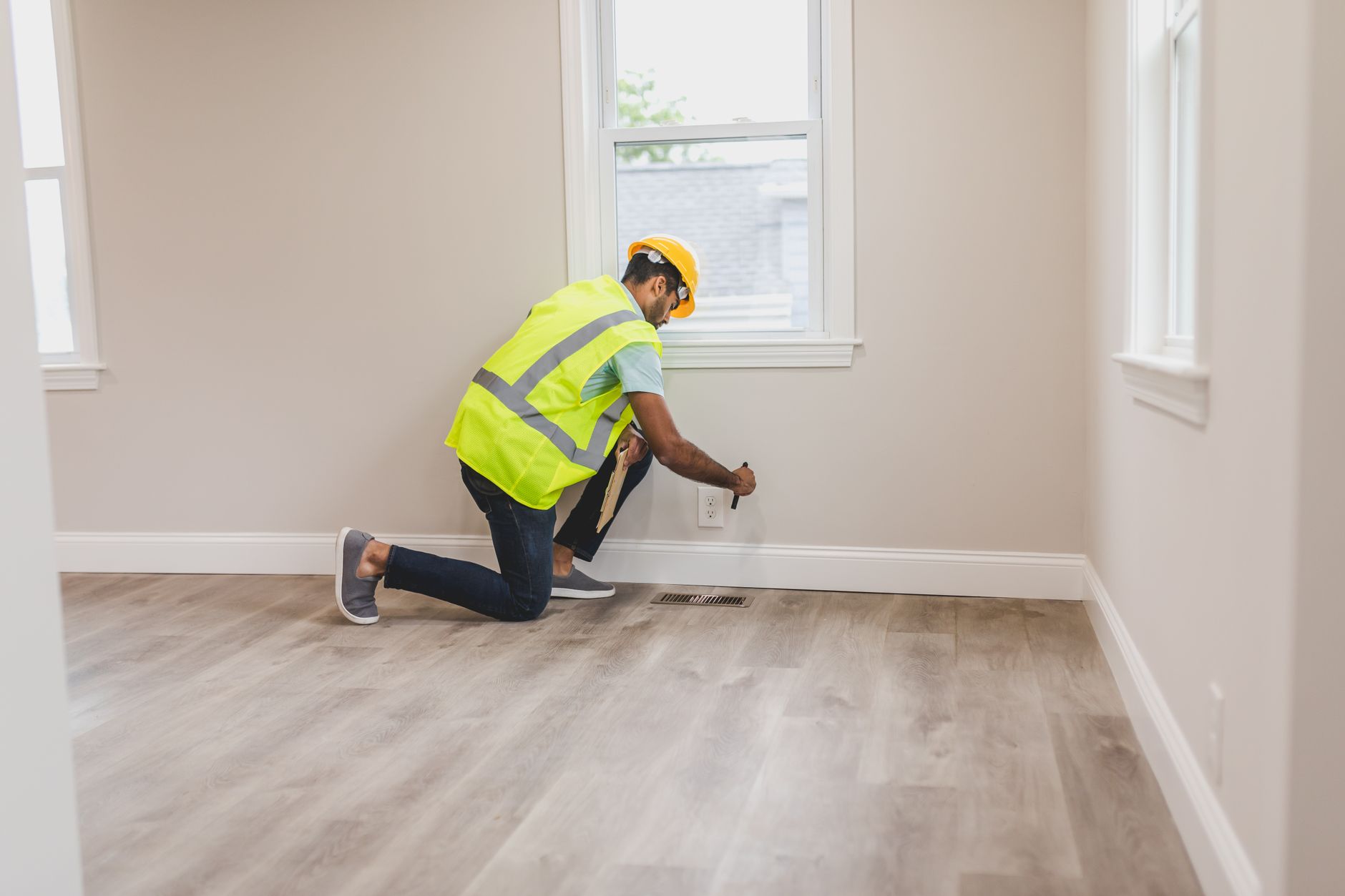
- Inspect reported damp/mould within 14 days
- Complete repairs within 7 days of assessment if hazardous
- Provide temporary accommodation if needed during works
2. Prevention Requirements
Proactive measures include:
- Annual damp/mould risk assessments for all properties
- Improved ventilation systems in high-risk homes
- Tenant education programmes
3. Accountability Measures
The law introduces:
- Mandatory reporting to the Regulator of Social Housing
- Financial penalties for non-compliance
- Potential criminal charges for severe neglect cases
Practical Steps for Compliance
Housing associations and councils should:
1. Upgrade Reporting Systems
Implement digital tools like Social Home's housing management platform to track and prioritise damp/mould reports with automated alerts.
2. Train Frontline Staff
Ensure all housing officers can:
- Recognise different mould types and health risks
- Properly document conditions with photos
- Explain temporary mitigation measures to tenants
3. Partner With Health Services
Establish referral pathways with local NHS teams when tenants show respiratory symptoms. Our resources section includes template partnership agreements.
Case Study: Manchester's Damp Taskforce
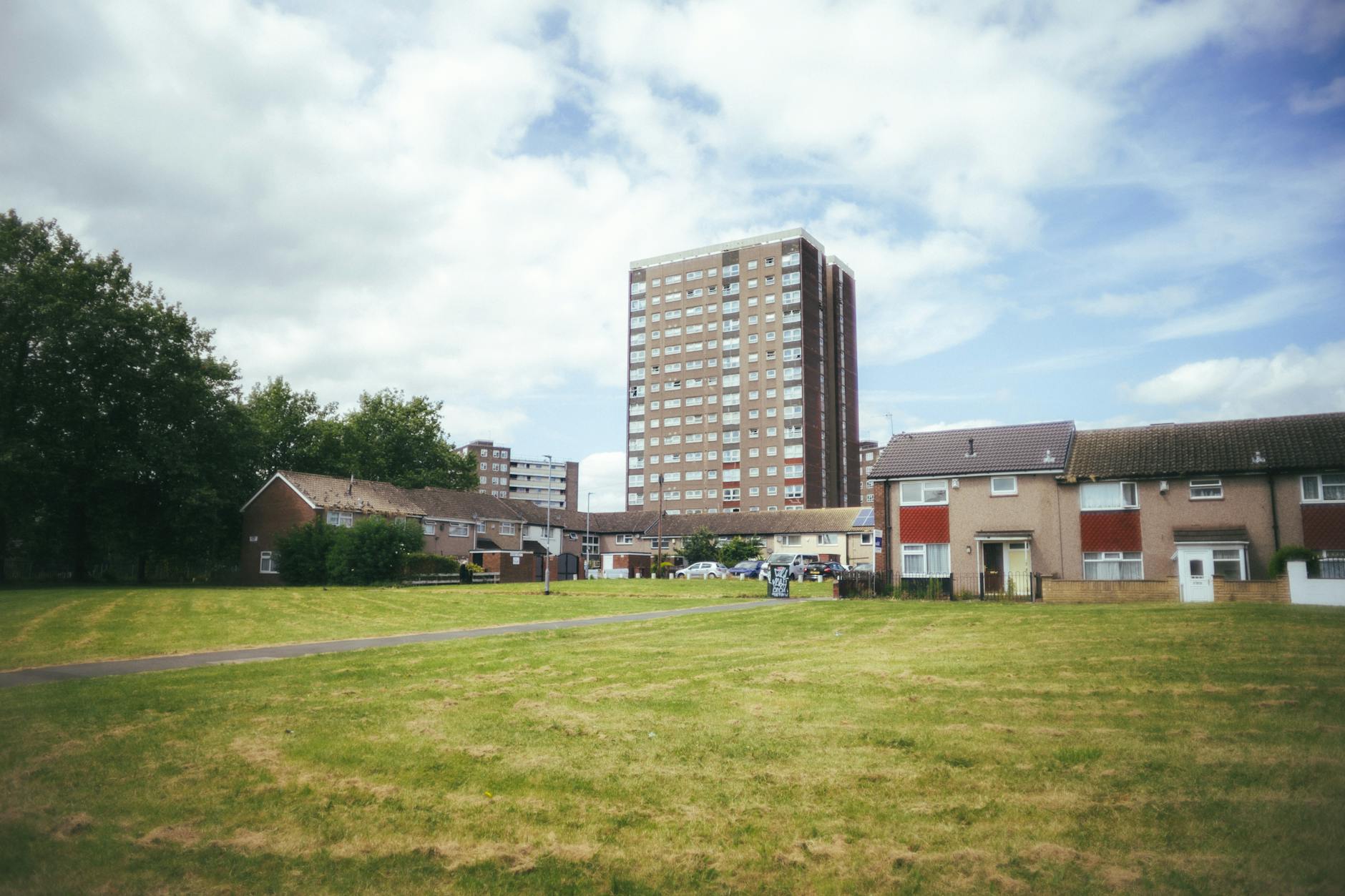
After Awaab's death, Manchester City Council established a specialist team that:
- Retrofitted 4,300 homes with improved ventilation
- Reduced mould-related complaints by 62% in 12 months
- Developed an early warning system combining housing and health data
Key Takeaways
- Damp and mould pose serious health risks - especially to children and vulnerable adults
- Awaab's Law sets strict new legal obligations for social landlords
- Prevention and rapid response are equally important
- Digital systems and multi-agency partnerships are critical for compliance
Transform Your Housing Management Today
Don't wait for tragedy to strike. Social Home provides the tools housing providers need to:
- Track and prioritise damp/mould reports
- Document compliance with Awaab's Law
- Coordinate repairs with approved contractors
- Partner effectively with health services
Get started today with our specialist housing management platform - because every family deserves a safe, healthy home.
For housing professionals seeking more guidance, explore our resources on vulnerable tenant housing or browse housing compliance specialist roles to strengthen your team.