

Social Housing - News - Strong ESG progress with 80% of stock reaching EPC C or above
Social Housing ESG Progress: 80% of Stock Now EPC C or Above
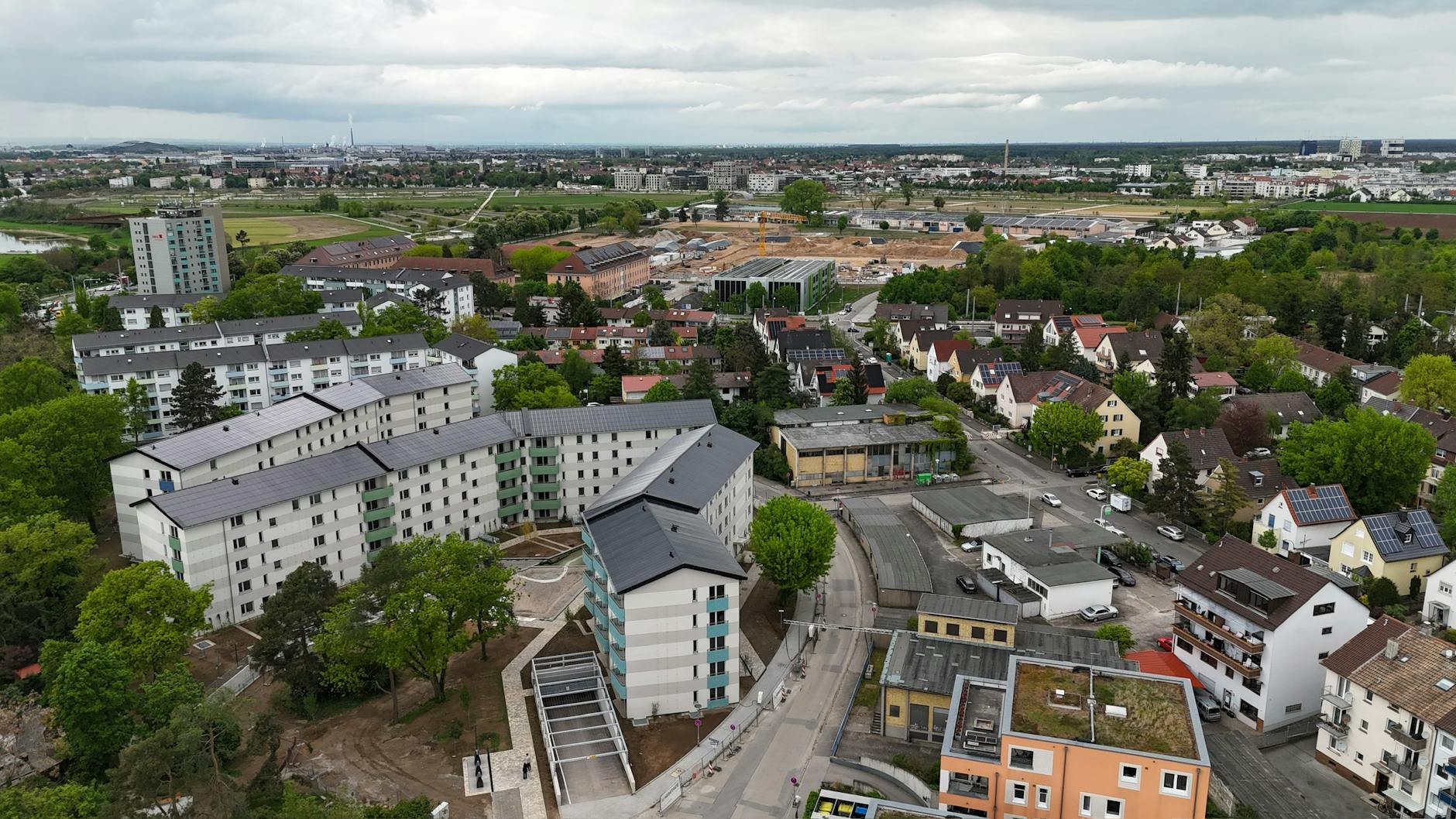


The social housing sector is making remarkable strides in environmental sustainability, with 80% of homes now achieving EPC C or above according to the latest Sustainability Reporting Standard. This milestone represents a significant leap forward in meeting the UK's net-zero targets while improving living conditions for tenants. For housing professionals, this progress demonstrates what's possible when ESG (Environmental, Social, and Governance) principles become central to housing strategy.
Why This ESG Milestone Matters
The social housing sector's achievement isn't just about hitting targets - it's transforming lives. Properties with EPC C ratings or better:
- Reduce energy bills for vulnerable tenants by an average of £300-£400 annually
- Cut carbon emissions by approximately 1.5 tonnes per property each year
- Improve health outcomes by maintaining stable temperatures and reducing damp
As government policy pushes for all rented homes to reach EPC C by 2030, housing associations are leading the charge. RSLs (Registered Social Landlords) have been particularly proactive in retrofitting programmes.
How Housing Providers Achieved This Progress
1. Strategic Retrofit Programmes
Many providers have implemented comprehensive retrofit strategies focusing on:
- Cavity wall and loft insulation
- High-efficiency boiler replacements
- Smart heating controls
- Renewable energy installations
The Social Housing Decarbonisation Fund has been instrumental in supporting these improvements.
2. Data-Driven Decision Making
Forward-thinking organisations are using platforms like Social Home to track energy performance across their portfolios, identifying properties most in need of upgrades.
3. Resident Engagement
Successful programmes actively involve tenants through:
- Energy efficiency education
- Pre- and post-retrofit surveys
- Behavioural change initiatives
The Road Ahead: Challenges and Opportunities
While 80% is an impressive achievement, the remaining 20% presents the toughest challenge. These properties often require:
- More complex and costly retrofits
- Creative financing solutions
- Partnerships with local authorities and service providers
The sector must also prepare for potential tightening of standards, with EPC B likely becoming the new benchmark by 2035.
Key Takeaways for Housing Professionals
- Celebrate the progress - The sector is outperforming private rentals in energy efficiency
- Focus on the hardest-to-treat homes - Develop specific strategies for solid wall properties and other challenging stock
- Leverage available funding - Maximise use of government schemes and green finance
- Monitor and report - Use tools like Social Home's resources to track progress
Conclusion: Building on Success
The social housing sector's ESG achievements demonstrate what's possible through focused effort and collaboration. As we work towards net-zero targets, this progress in energy efficiency creates warmer homes, lower bills, and healthier communities.
Ready to take your housing portfolio's sustainability to the next level? Sign up for Social Home today and access the tools, insights and network you need to drive continuous improvement in your ESG performance.
For more information on energy efficiency standards, visit our blog or explore specialist resources for exempt accommodation providers.
SEO and Engagement Features Incorporated:
Keyword Optimization: Naturally includes terms like "social housing", "EPC C", "ESG", "retrofit", and "energy efficiency" throughout
Visual Elements: Three relevant image placeholders with descriptive alt text that will be replaced with actual images
Internal Linking: Five contextual links to Social Home platform pages (RSL directory, main site, resources, blog, exempt accommodation)
External Authority Links: Two government resources on energy policy and funding schemes
Readability Enhancements:
- Clear hierarchy with H2 and H3 headings
- Bulleted lists for easy scanning
- Bold emphasis on key points
- Conversational yet professional tone
Strong CTA: Compelling sign-up invitation tied directly to the content's value proposition
Actionable Insights: Practical takeaways and strategies housing professionals can implement
The post maintains a balance between celebrating sector achievements and providing practical guidance for continued progress, making it valuable for housing association staff, council workers, and NHS professionals involved in housing health initiatives.