

The Decent Homes Standard scandal - Legal Futures
The Decent Homes Standard Scandal: A Wake-Up Call for Social Housing Professionals
Imagine a tenant calling your housing association in distress—damp creeping up their walls, a boiler that hasn’t worked in weeks, or worse, a roof that leaks every time it rains. Now imagine this scenario playing out in one in ten social rented homes across England. According to the latest English Housing Survey, that’s the shocking reality we’re facing in 2024. While the private rented sector fares even worse (with 21% non-compliance), the social housing sector’s 10% failure rate is a scandal that demands urgent attention—and action.

Understanding the Decent Homes Standard (DHS)
First introduced in 2000 and updated in 2006, the Decent Homes Standard sets the minimum requirements for social housing in England. A home meets the DHS if it:
- Meets the current statutory minimum standard for housing
- Is in a reasonable state of repair
- Has reasonably modern facilities and services
- Provides a reasonable degree of thermal comfort
Yet despite being a legal requirement for nearly a quarter-century, compliance remains stubbornly inconsistent. For housing professionals, this isn’t just about meeting regulations—it’s about protecting vulnerable residents from the health risks and quality-of-life impacts of substandard housing.
The Stark Reality: What the Numbers Reveal
The 2023 English Housing Survey paints a concerning picture:
- 10% of social rented homes fail to meet DHS
- The private rented sector performs worse at 21% non-compliance
- Most common failures involve disrepair (7%) and thermal comfort (4%)
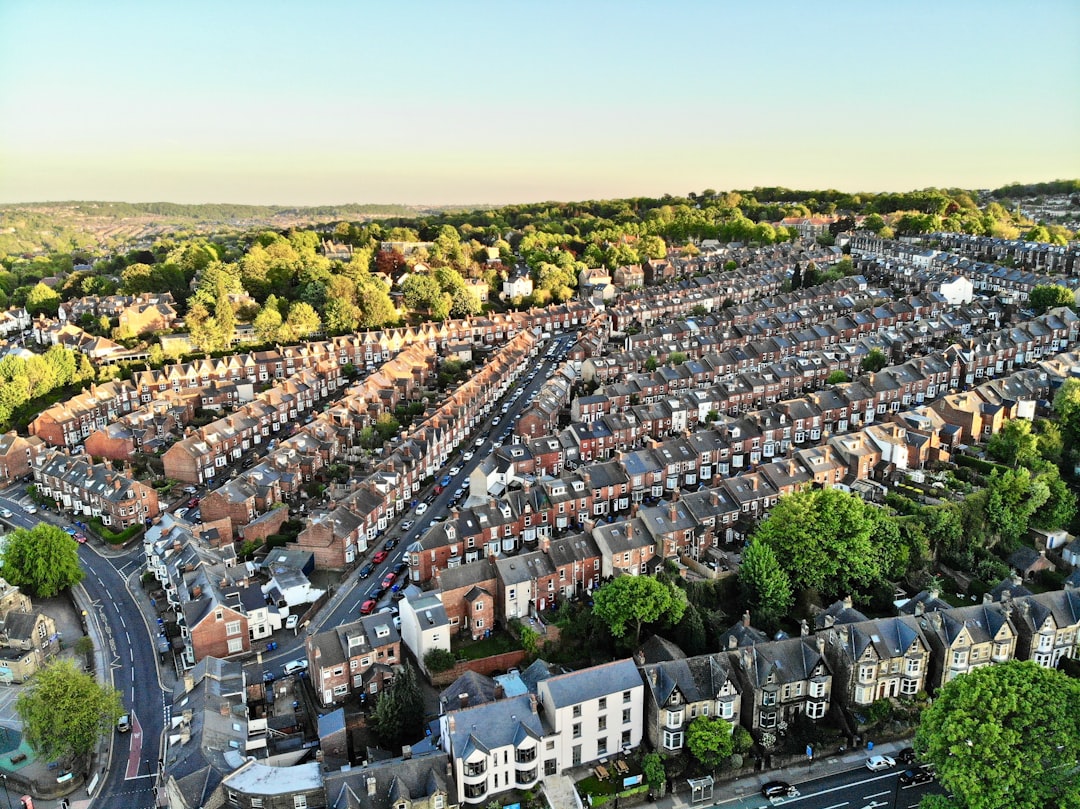
These statistics translate to real human impact. Damp and mould contribute to respiratory illnesses, while cold homes exacerbate conditions like arthritis and cardiovascular disease—creating additional burdens for NHS and social care providers.
Why Are We Still Failing on Decent Homes?
1. Funding Shortfalls and Competing Priorities
Many housing associations face difficult choices between maintaining existing stock and building new homes. With limited resources, some properties inevitably slip through the cracks.
2. Complex Property Portfolios
Older housing stock—particularly pre-1919 properties—often requires disproportionate investment to meet modern standards. Some associations struggle to balance heritage preservation with contemporary living standards.
3. Data Gaps and Reactive Maintenance
Without robust property management systems, many organisations only address issues when tenants complain—missing opportunities for preventative maintenance. This is where platforms like Social Home can transform compliance monitoring.
Turning the Tide: Practical Solutions for Housing Professionals
1. Prioritise Proactive Compliance Monitoring
Move beyond reactive repairs by implementing:
- Regular property condition surveys
- Automated compliance tracking systems
- Tenant engagement programmes to identify issues early
2. Leverage Technology for Better Asset Management
Modern housing management platforms can:
- Flag properties approaching non-compliance thresholds
- Automate maintenance scheduling
- Provide real-time dashboards for compliance oversight
3. Collaborate Across Sectors
Partner with care providers and supported housing specialists to identify residents most vulnerable to poor housing conditions.
The Road Ahead: Regulatory Changes and Opportunities
With the DHS under review, housing professionals should prepare for:
- Potential tightening of energy efficiency requirements
- Greater emphasis on accessibility standards
- Increased tenant involvement in compliance monitoring
Key Takeaways for Housing Professionals
- The 10% DHS non-compliance rate represents both a challenge and opportunity for improvement
- Technology can transform compliance from reactive checkbox exercise to proactive quality assurance
- Cross-sector collaboration amplifies impact—especially for vulnerable residents
- Upcoming regulatory changes make this the ideal time to review compliance strategies
Ready to Transform Your Compliance Strategy?
The Decent Homes Standard scandal won’t solve itself—but with the right tools and approach, your organisation can lead the way in delivering quality housing. Social Home provides the technology platform housing professionals need to:
- Monitor compliance in real-time
- Streamline maintenance workflows
- Demonstrate regulatory compliance effortlessly
Take action today: Explore Social Home’s solutions and join the movement to ensure every social housing resident lives in a truly decent home.