

We would like to speak to homeless people in England living in temporary accommodationincluding B&Bs and hotels | Housing | The Guardian
Loading podcast...
Checking availability
The Crisis in Temporary Accommodation: What the Guardian's Investigation Means for UK Housing Providers
Imagine being told you have no home, only to be placed in a cramped, windowless hotel room or a decaying B&B for months—or even years. For thousands of people across England, this isn't a nightmare; it is a daily reality. A new investigation by The Guardian is pulling back the curtain on the lived experiences of those trapped in the temporary accommodation system, asking the hard questions: How long have you been here? And what are the conditions actually like?
For those of us working within the UK housing sector—from RSLs and HMO operators to specialist supported housing providers—this isn't just a headline. It is a signal of the mounting pressure on our infrastructure and the intensifying scrutiny on how temporary stays are managed.
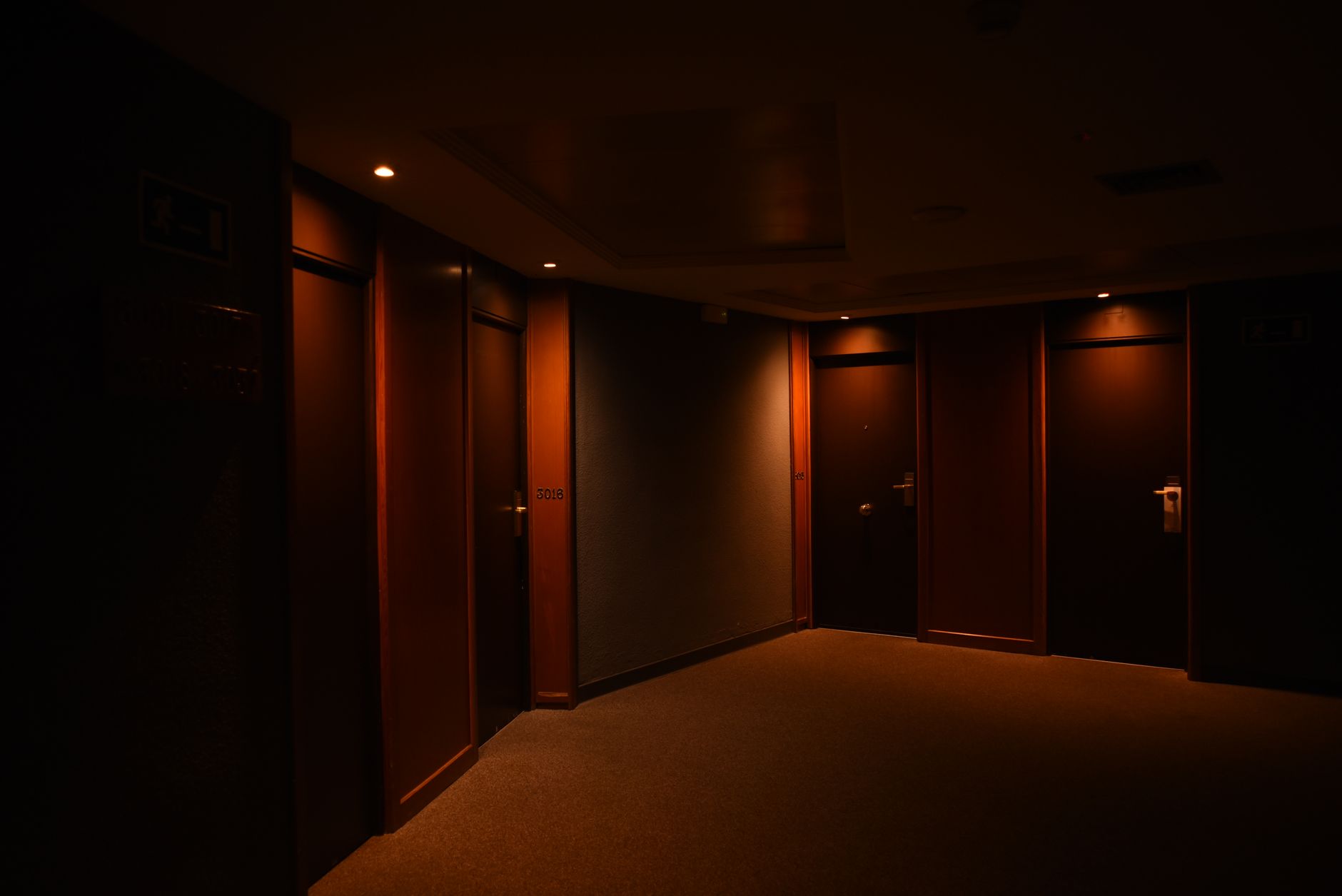
The Human Cost of the Housing Shortage
The core of the recent reporting highlights a systemic failure. As local authorities struggle to find permanent social housing, the reliance on "emergency" solutions like hotels and Bed & Breakfasts has become a long-term, rather than short-term, fix. The investigation seeks to document the duration of stays and the substandard conditions that residents face, ranging from damp and mould to a total lack of privacy and dignity.
This surge in temporary placements is driven by a complex web of factors, including the shortage of affordable rental stock and the increasing complexity of resident needs. As the Department for Levelling Up, Housing and Communities continues to navigate policy shifts, the operational reality on the ground remains one of crisis management.
Social Home Analysis: Why This Matters for Professionals
At Social Home, we see this through a different lens. While the media focuses on the emotional and social impact, the housing professional must look at the operational and regulatory implications.
The move towards long-term reliance on hotels and B&Bs creates a massive "compliance gap." When temporary accommodation becomes semi-permanent, the standards required for long-term habitation—such as fire safety, ventilation, and habitability—must be met. For landlords and housing providers, this isn't just a moral issue; it is a legal one. The Regulator of Social Housing is increasingly focused on consumer standards, and "temporary" status is no longer a shield against accountability for poor property conditions.
Furthermore, for those operating in exempt accommodation or specialist sectors, this investigation highlights the reputational risk. As public awareness of the "hotelisation" of homelessness grows, the pressure on providers to demonstrate high-quality, dignified management will reach an all-time high. We expect to see local authorities tightening their procurement processes, demanding more than just a bed; they will demand evidence of robust management and resident support.

What to Watch For: The Regulatory Ripple Effect
As this story develops, housing professionals should keep a close eye on several key areas:
- Increased Local Authority Oversight: Expect councils to move away from simple B&B contracts towards more structured, managed accommodation models that offer better oversight.
- The "Dignity" Standard: We anticipate that "quality of life" metrics will become as important as "availability of beds" in future commissioning tenders.
- Compliance Pressure: With the rise of the Social Housing (Regulation) Act, the line between "temporary" and "permanent" standards is blurring. If a resident stays in a unit for six months, you must treat it with the same regulatory rigour as a long-term tenancy.
For those managing diverse portfolios, whether they are RSLs or private HMO operators, ensuring that your property management software and compliance tracking are up to date is no longer optional—it is a survival strategy.
Practical Advice for Housing Providers
How can you prepare for this heightened scrutiny? Whether you are a small-scale landlord or a large housing provider, these steps are essential:
- Audit Your Temporary Stock: Don't wait for a complaint. Conduct rigorous inspections of any properties being used for short-term or emergency stays to ensure they meet basic habitability standards.
- Document Everything: In an era of increased regulation, your paper trail is your best defence. Ensure every maintenance request, safety check, and resident interaction is logged.
- Enhance Resident Engagement: The Guardian's focus is on the *voice* of the resident. Building formal channels for feedback within your properties can help you catch issues before they escalate into regulatory breaches or media scandals.
- Review Your Compliance Framework: Ensure your team is trained on the latest government safety standards to ensure no "temporary" unit falls through the cracks.

Conclusion: Moving Beyond Crisis Management
The investigation into temporary accommodation is a stark reminder that the "temporary" nature of these solutions is often an illusion. For the housing sector, the challenge is to bridge the gap between emergency provision and dignified, long-term housing. As the regulatory landscape tightens and public scrutiny intensifies, the providers who thrive will be those who prioritise compliance, resident dignity, and proactive management.
Key Takeaways:
- Temporary accommodation is facing unprecedented scrutiny regarding living conditions.
- Regulatory bodies are unlikely to distinguish between "temporary" and "permanent" when it comes to safety and habitability.
- Providers must invest in better management systems and rigorous compliance audits to mitigate risk.
Ready to transform your housing management?
Don't let regulatory changes or management gaps catch you off guard. Whether you are managing RSL portfolios, HMOs, or supported housing, Social Home provides the tools you need to stay compliant and efficient.
Sign up for Social Home today and experience the future of social housing management.