

Why energy efficient homes could decide the future of the rental market post-Renters’ Rights Act
The rental market is changing – and energy efficiency is at the heart of this transformation.
With rising energy costs and growing environmental awareness, tenants are no longer just looking for a roof over their heads. They’re demanding homes that are warm, cost-effective, and sustainable. The Renters’ Rights Act has accelerated this shift, placing landlords and housing providers under increasing pressure to upgrade inefficient properties or risk losing tenants to competitors with greener, more affordable homes.
In this post, we explore why energy efficiency is becoming a key differentiator in the rental market and what housing professionals need to do to stay ahead.
The Rising Demand for Energy Efficient Homes
Tenants today are more informed than ever about EPC ratings, heating system efficiency, and overall running costs. With energy bills soaring, a property’s energy performance isn’t just a nice-to-have—it’s a financial necessity.
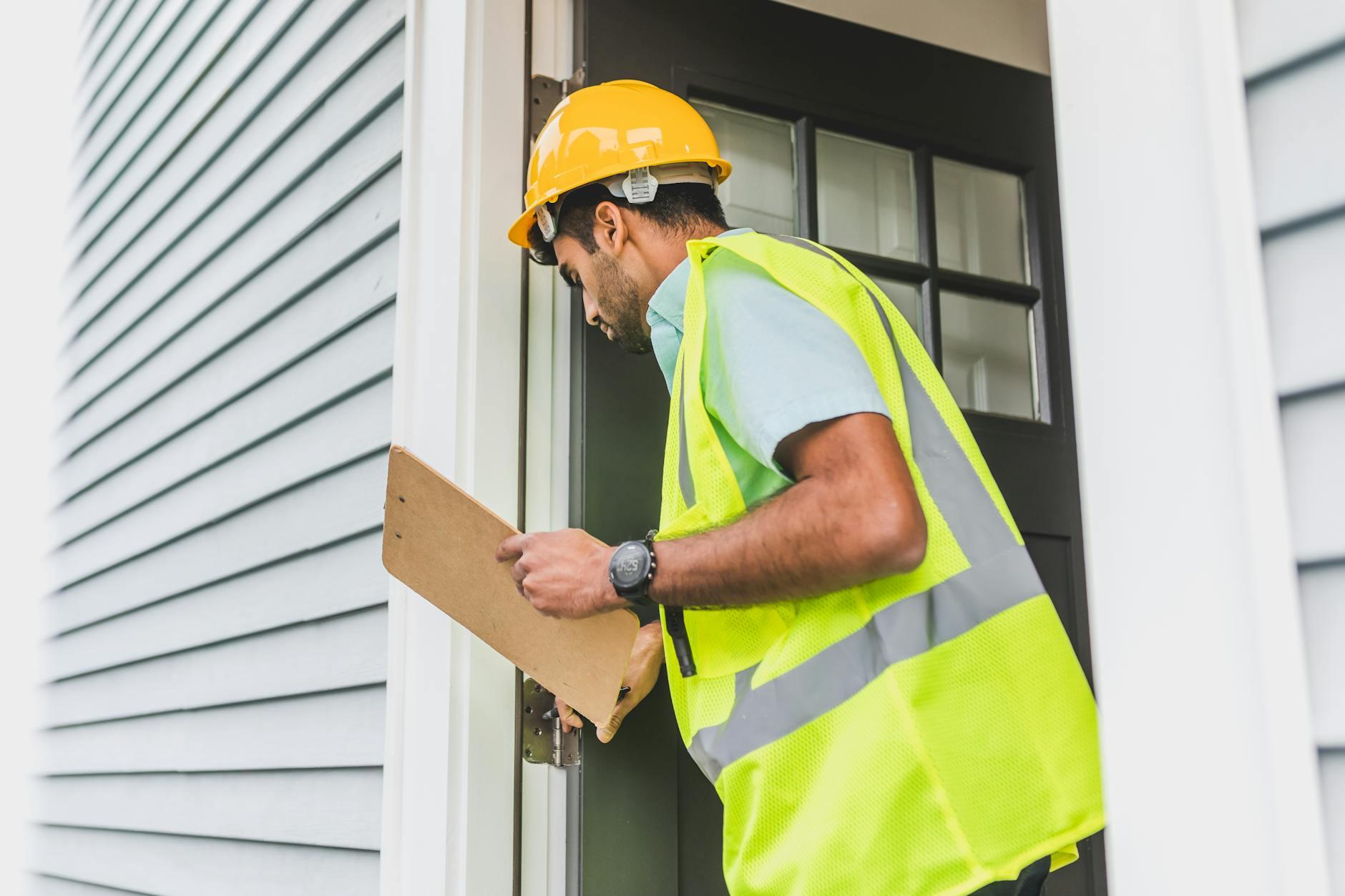 *Tenants are scrutinising EPC ratings before signing leases*
Key Trends Driving the Shift:
- Cost of Living Crisis: Tenants prioritise lower utility bills.
- Environmental Awareness: Younger renters favour sustainable homes.
- Regulatory Changes: The Renters’ Rights Act sets higher efficiency standards.
Housing associations and landlords who fail to adapt risk higher void periods and reduced rental income.
How the Renters’ Rights Act is Reshaping the Market
The Renters’ Rights Act introduces stricter energy efficiency requirements, including:
- Minimum EPC Rating C for new tenancies by 2025 (extending to all rentals by 2028).
- Penalties for non-compliance, including fines and restrictions on renting out substandard properties.
 *Landlords must invest in upgrades to meet new regulations*
What This Means for Housing Providers:
- Upfront investment in insulation, heating systems, and renewable energy.
- Long-term savings through reduced maintenance and higher tenant retention.
- Competitive advantage in attracting eco-conscious renters.
For social housing providers, this aligns with broader sustainability goals and tenant welfare initiatives.
Practical Steps to Improve Energy Efficiency
1. Conduct Energy Audits
Start with a professional EPC assessment to identify weak points. Many housing associations use tools like our Resources Hub to streamline this process.
2. Prioritise Cost-Effective Upgrades
- Insulation (loft, cavity wall, floor)
- Double or triple-glazed windows
- Smart thermostats for better heating control
3. Explore Renewable Energy Options
- Solar panels (long-term savings)
- Heat pumps (more efficient than gas boilers)
For funding options, check the government’s Energy Efficiency Grants.
The Business Case for Energy Efficiency
Higher Tenant Satisfaction & Retention
Tenants stay longer in homes that are affordable to heat and comfortable to live in.
Increased Property Value
Energy-efficient homes attract higher rental yields and sell faster.
Compliance & Risk Mitigation
Avoid fines and legal challenges by staying ahead of regulations.
 *Market data shows a clear preference for efficient homes*
For more insights, explore our Blog on sustainable housing trends.
Conclusion: The Future is Efficient
The rental market is evolving, and energy efficiency is no longer optional. Housing providers who act now will:
✔ Retain tenants longer
✔ Reduce operational costs
✔ Stay compliant with regulations
✔ Lead in a competitive market
Ready to Future-Proof Your Housing Portfolio?
Join Social Home today and access the tools, resources, and expertise to make your properties greener, more efficient, and more attractive to tenants.
For further reading, visit the Government’s EPC Guidelines.
By embracing energy efficiency, housing professionals can not only meet regulatory demands but also create better homes for tenants and stronger investments for the future. The time to act is now.
Sign up with Social Home and lead the change in sustainable housing.